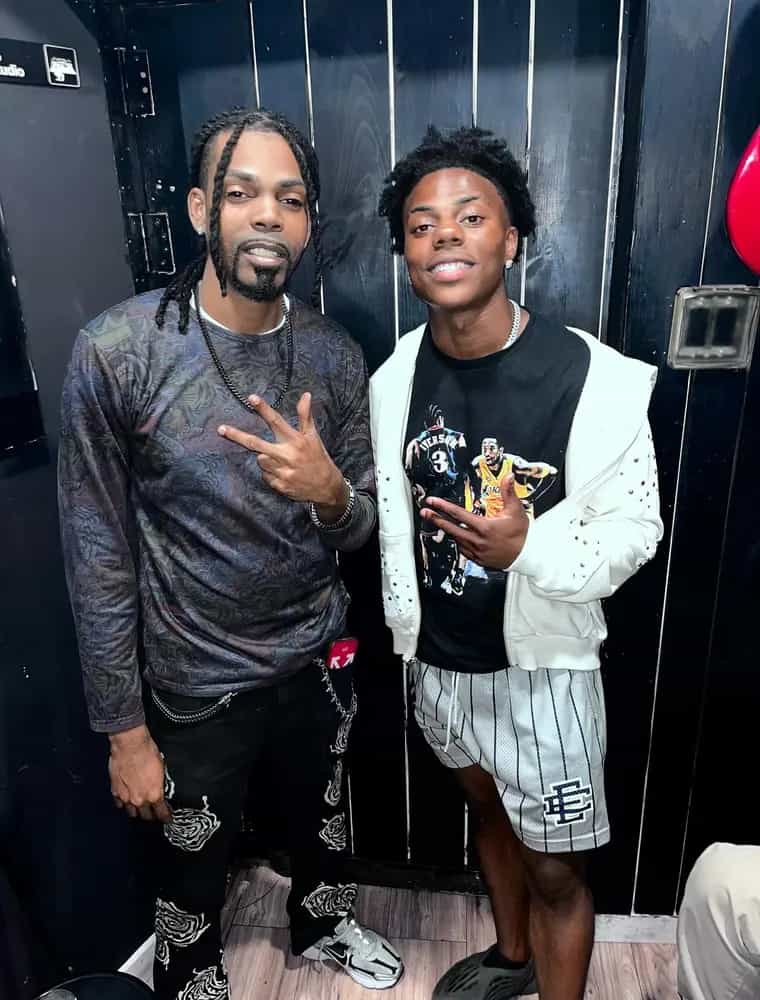
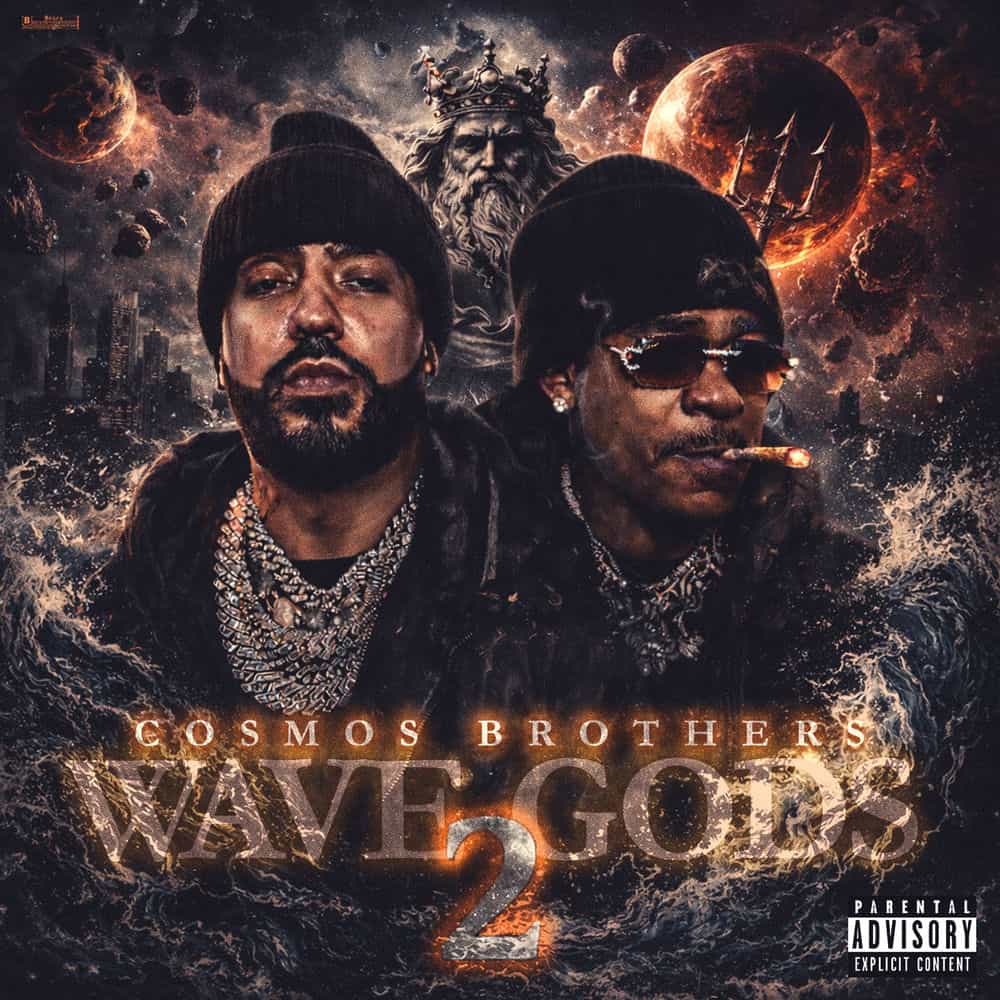
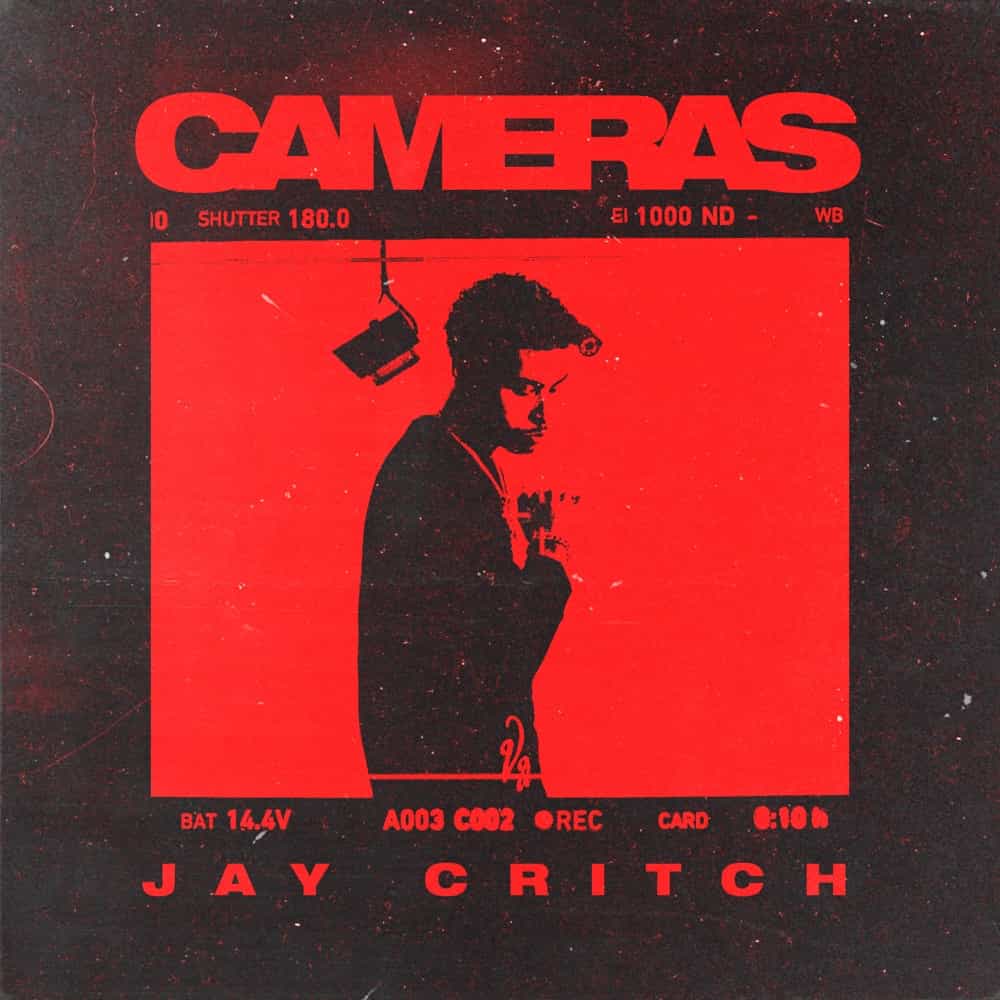
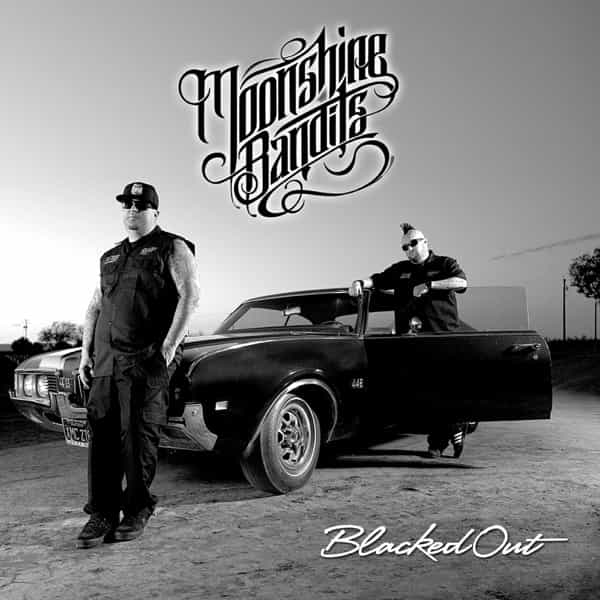
we build the software music businesses run on: record label platforms, direct-to-fan stores, licensing engines, catalog and rights infrastructure, and royalty dashboards. it is built around how a release, a roster and a catalog actually work, and at launch the code, the domains, the merchant account and the customer list are yours.
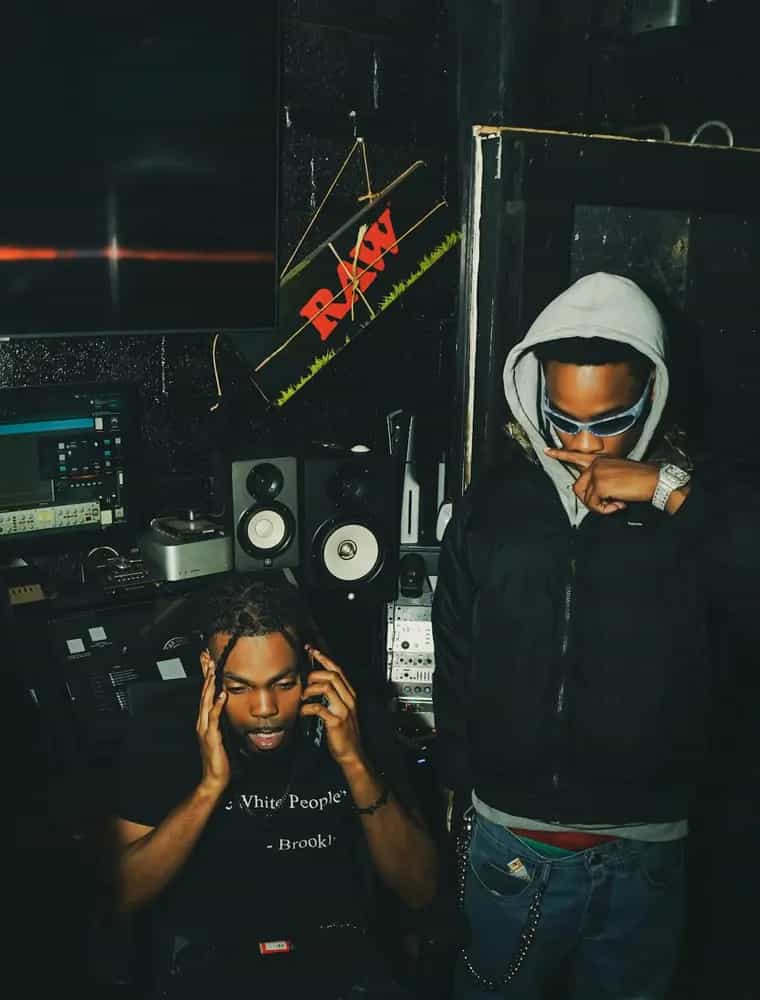
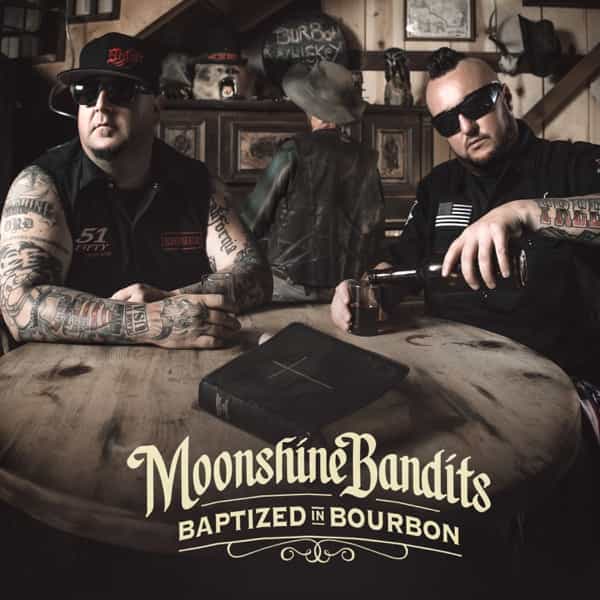
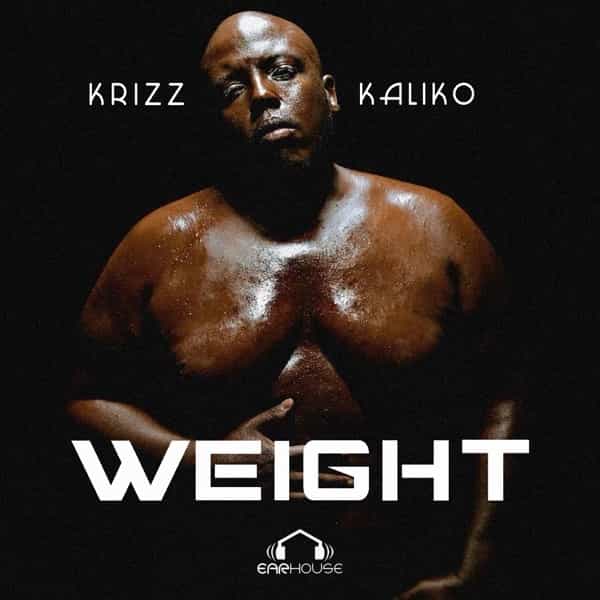
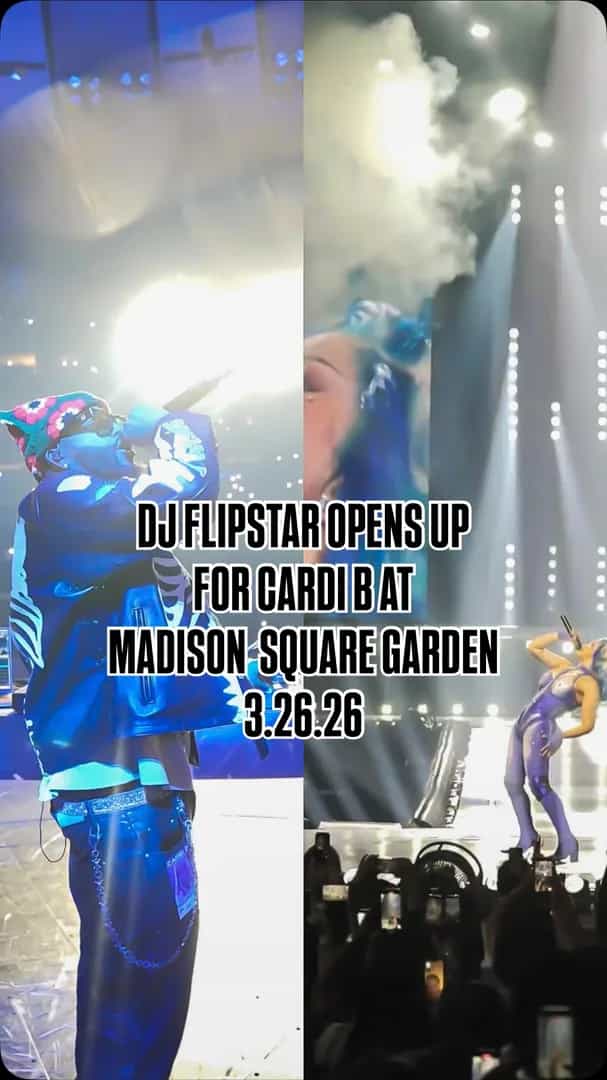
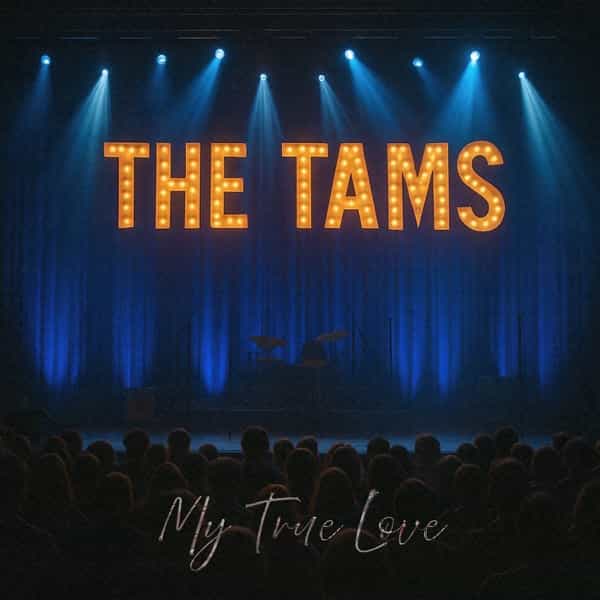
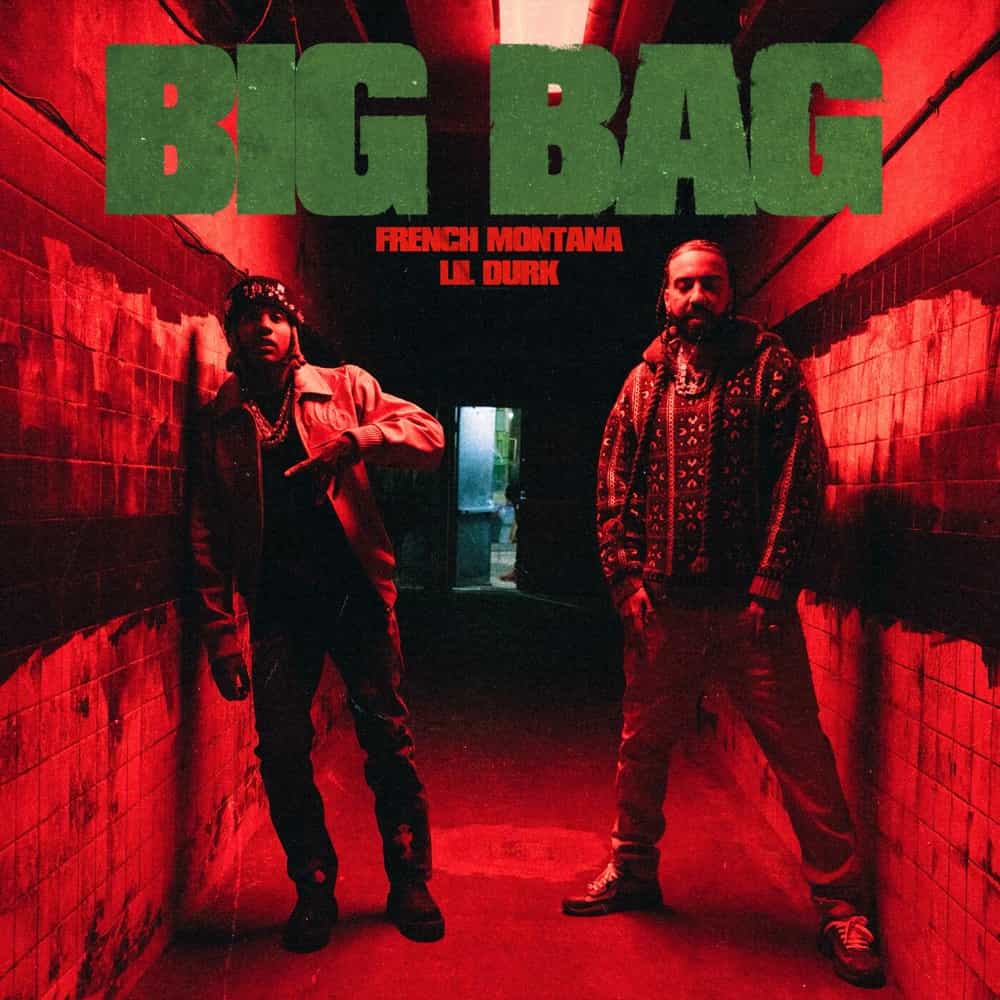
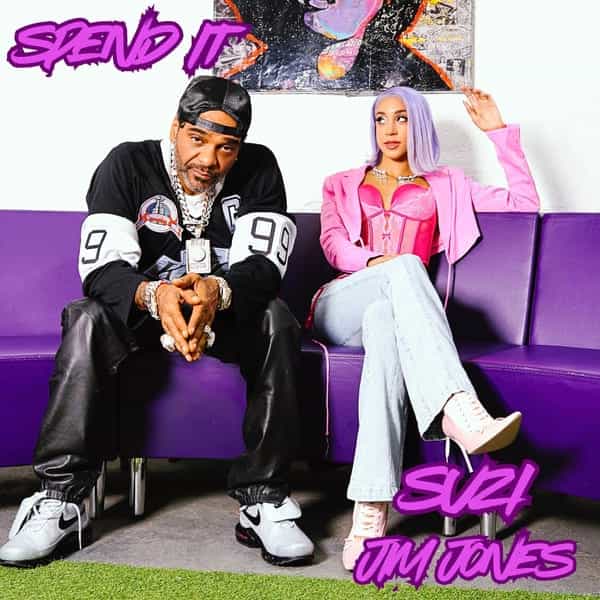
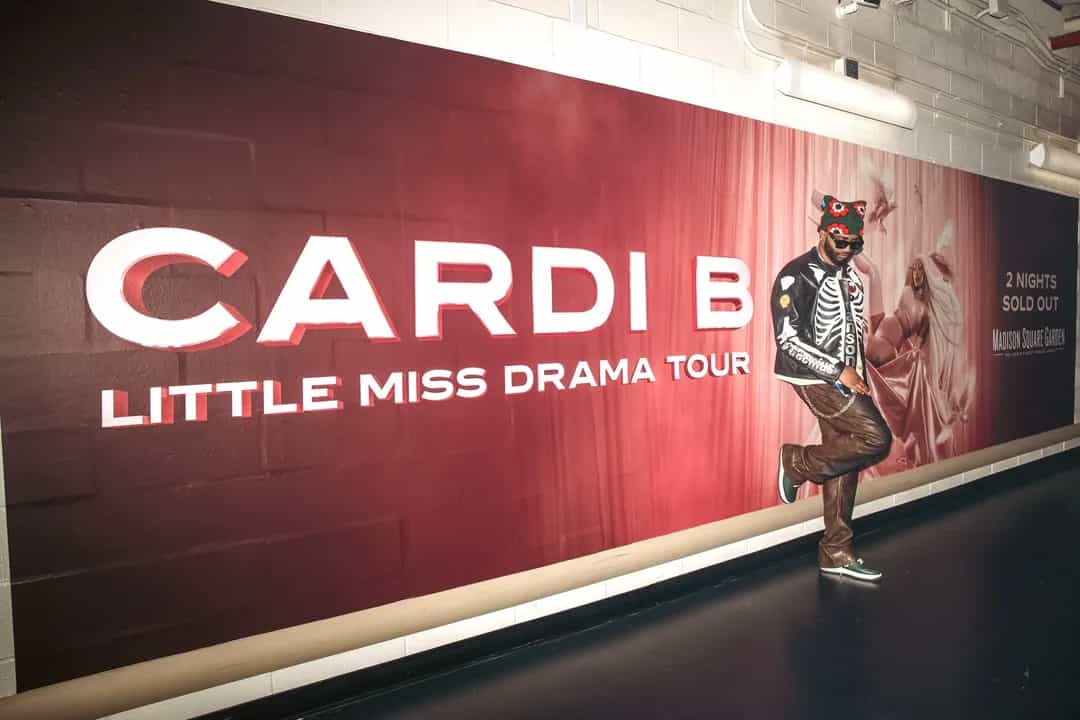
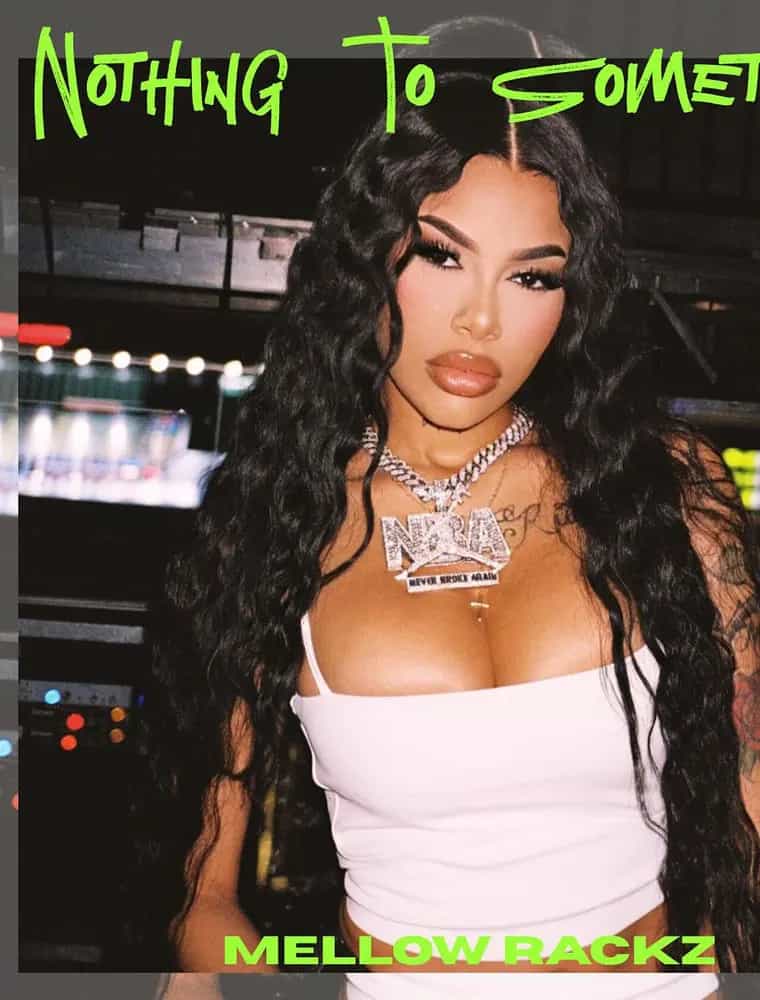
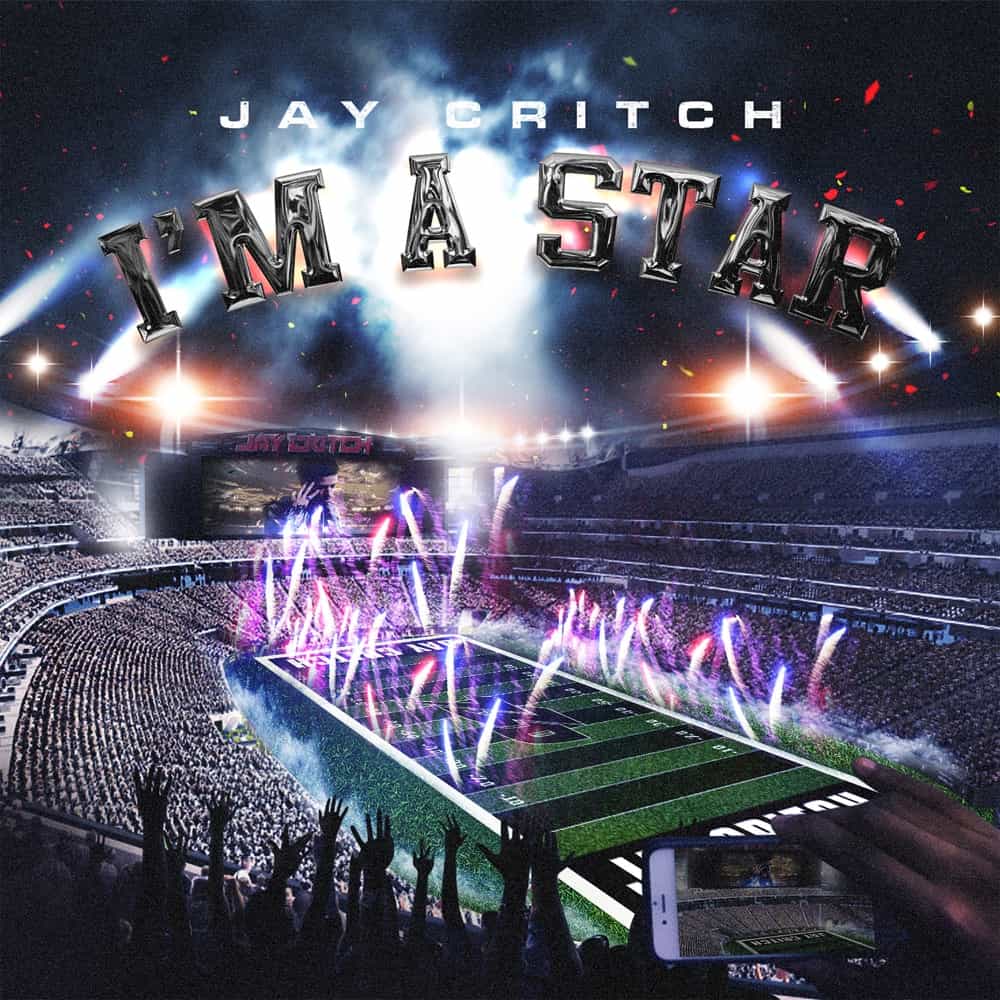
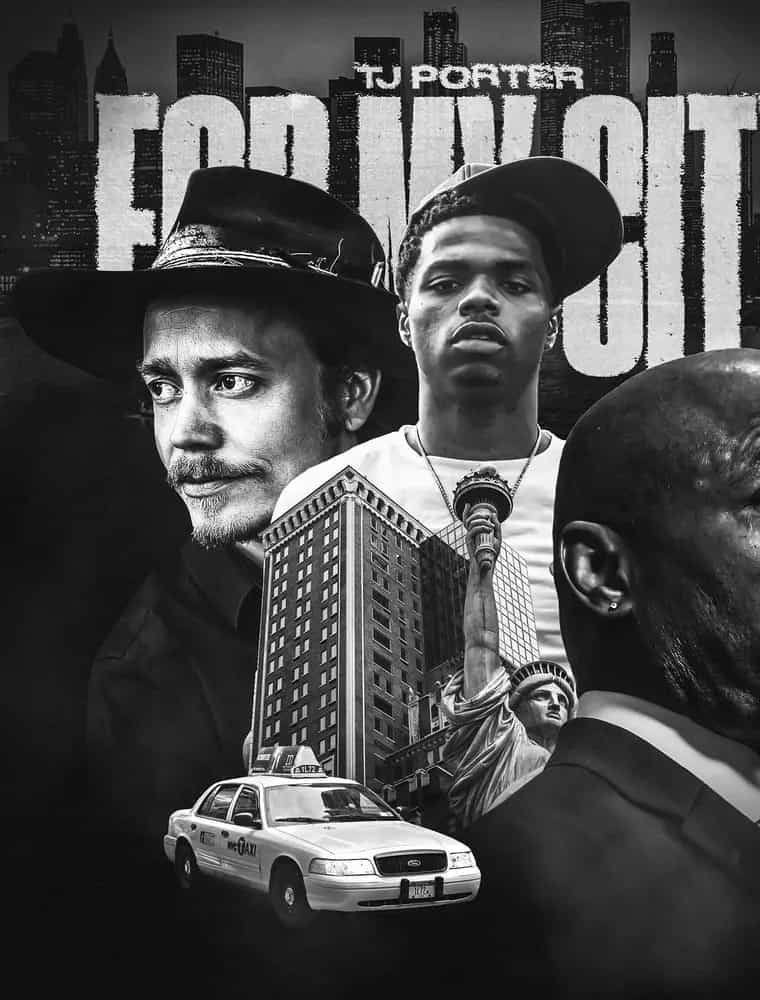
17 client properties are live, and every one of them is linked from the work on the STUDIORAINE homepage.
ten things, each one built around how music actually sells and pays. where one is running on a client's domain right now, it is linked, so you can open it instead of reading about it.
Record label platforms
for a label running more than one artist.
the label's own platform with the roster underneath it. one catalog storefront, one customer list, and a property per act instead of a page each on somebody else's site.
a property per artist, at whatever stage each one is
one storefront across the whole catalog
one customer list, wired to the CRM you already use
for one operator, or a record that needs its own room. artist, producer, engineer, studio or dj.
built to your identity rather than to a template. it does not wait on a tour, a beat store or a merch line to look like something, and the store switches on when there is something to sell.
for producers selling licences, on the roster or on their own.
your own marketplace instead of a booth inside beatstars or airbit. on those the catalog sits next to every competitor's, the marketplace keeps the buyer, and it takes a cut of inventory you already own.
licence tiers you set, priced how you want
instant delivery, files zipped and sent on payment
every sale writes its own licence agreement, stamps it with the buyer's name and the terms they bought, and zips it with the files. the paperwork stops being a job somebody does by hand on a monday.
the drop built as its own thing: preorder, countdown, the moment it opens, and the week after. release night is when a rented checkout fails, so this one is load tested before the date rather than on it.
preorder, drop and post-release states on a schedule
bundles, variants and limited runs that actually run out
load tested before the date, and covered on the night
the campaign page kept, not thrown away after week one
Catalog and rights infrastructure
for a back catalog, an estate, or a publisher.
when the thing you need does not exist yet. a property per release across a catalog, the metadata to run it, and the pipes that move it between the systems you already pay for.
a property per release, generated rather than typed
bulk metadata, ingest and DDEX delivery
integrations with the systems you already run
multi-entity checkout where the catalog spans companies
Royalty and splits dashboards
for any release where more than one person gets paid.
who is owed what, and just as importantly what each side is allowed to see. the deal terms get written down once and applied every period, instead of a spreadsheet somebody rebuilds each quarter. the studio builds the ledger to your terms. it does not administer rights, audit a distributor, or sign off the numbers.
distributor and DSP statements read in, not retyped
split mapping per release, per track, per party
advances and recoupment tracked against each deal
a statement per party, showing only their own numbers
Fan clubs and memberships
for a roster with an audience that would pay monthly.
the part of direct-to-fan that recurs. a paid tier, a vinyl club, early access and presales, billed in your own account rather than a platform's.
paid tiers, billed monthly or yearly
member-only releases, presales and early access
subscriptions in your merchant account
members in your list, cancellations included
Interactive audio
for when the record itself should be the thing people play with.
stem players, browser mixers, loop and preset demos that run before anyone buys. this is the part that needs someone who has actually used a DAW, which is why most agencies quietly skip it.
for after the channel is owned and the data is finally yours.
the platforms that do this are built for retail, priced for enterprise, and assume the buyer has a data team to run them. this is the same engineering, built onto the channel you already own.
segments that mean something in music, not age brackets
who to email first, scored on your own buyers
streaming data sat next to what people actually bought
a back catalog read in one pass, described in your voice
music software we have shipped.
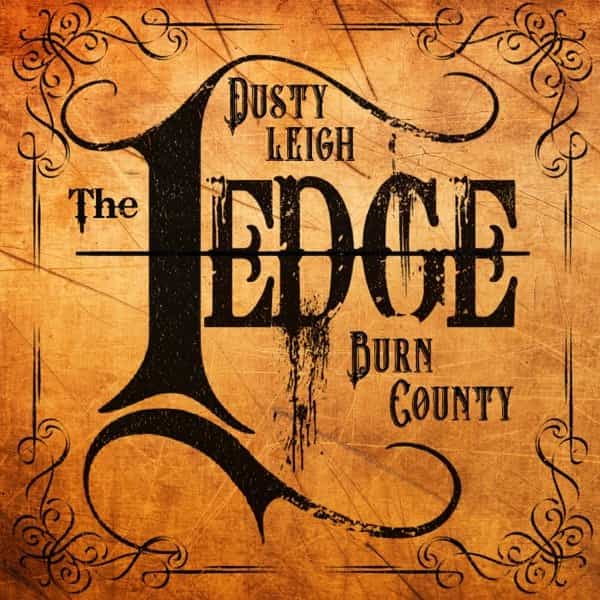
Burn County
a label platform: one operator, three properties, one build.
the studio, the music brand and the marketing arm, each on its own property.
one storefront and one customer list under all three.
the catalog behind it carries nine Billboard top tens and an RIAA gold record, the client's credits.
most engagements start with a paid diagnostic: one week, a fixed fee, credited in full against the build if you go ahead within 90 days. it produces the written scope, and you keep that document either way.
02
scope
the scope fixes what gets built, the number and the ship date, in writing, before anything is built. the number is set by what the catalog and the roster actually need, not by a tier picked off a page.
03
build
the build follows the scope. the parts most agencies skip are scoped in on purpose: the licence terms written per sale, what happens to a property when an artist leaves the roster, and who sees which royalty numbers.
04
launch and transfer
at launch the code, the domains, the merchant account, the customer list and the analytics move into your name. no licence to renew and no monthly fee on the platform itself.
05
after launch
your team edits copy, prices, art and releases from a dashboard at no monthly cost. or keep the studio on a retainer for continuous engineering, billed monthly, cancellable any month.
who it is for.
record labels
a roster that needs one platform under the whole catalog, not one page per act.
producers and engineers
a catalog to sell or a room to book, on your own domain instead of a marketplace.
recording studios
sessions booked on your own page, with the artists who came through the room on show.
catalogs, estates and publishers
a property per release, the metadata to run it, and the pipes between the systems you already pay for.
artists and DJs
a home that sells, books and captures fans from day one, built to your identity.
not a fit if
you want a template you edit yourself this weekend. a builder is the right tool, and the builders guide compares them.
you need someone to administer your royalties or register your works. we build the ledger and the records, not the rights administration.
you need it live without a written scope. the scope is what fixes the number and the date.
what it runs on.
Next.js
every build. pages rendered on the server, fast on a phone.
Stripe
checkout in your own merchant account. roughly 3% card processing, no platform cut on top.
Sanity
a dashboard your team edits without an engineer.
Vercel
where every build is hosted.
Resend
receipts, licence delivery and fan email from your own domain.
who builds it.
Studio Raine was founded by Raine, an ai engineer and a musician. ai engineering at Google, Meta, Microsoft and Scale AI since the start of the ai hype, a working catalog and released records on the music side. the studio is in New York City and builds for labels, studios, producers, engineers and artists everywhere.
studios that specialise in it, and Studio Raine is one. we build record label platforms, direct-to-fan stores, licensing engines, catalog and rights infrastructure and royalty dashboards, and 17 of our client properties are live and linked from this site. the difference worth asking any studio about is ownership: here the code, the domains, the merchant account and the customer list are yours at launch.
what does custom music software cost?
every engagement is quoted in a written scope, because a three-artist label and a catalog with thousands of releases are not the same build. most start with a paid diagnostic, one week at a fixed fee, credited in full against the build if you go ahead within 90 days. the scope then fixes the number and the ship date in writing before anything is built.
how long does it take to build?
the timeline is set in the scope, the same way the number is. for reference, Mixed by Isolation went from signed scope on 5 July to live on his own domain on 13 July. a roster or catalog platform takes longer because there is more to move, and the scope says by how much.
do we own the code and the data?
yes. at launch the code, the domains, the merchant account, the customer list and the analytics transfer into your name. there is no licence to renew and no monthly fee on the platform itself, and the studio is out of the data path once it ships.
can you build royalty accounting or rights management software?
yes, to your terms. distributor and DSP statements are read in rather than retyped, splits are mapped per release, per track and per party, advances and recoupment are tracked against each deal, and each party gets a royalty statement showing only their own numbers. who owns what, on what terms, is written down once and applied every period. we build the ledger and the rights records. we do not administer rights, register works, audit a distributor or sign off the numbers.
do you work with metadata, DDEX, ISRC and the systems we already use?
yes, that is the catalog and rights work: a property per release generated rather than typed, bulk metadata and ingest keyed to the identifiers the industry already runs on (ISRC for recordings, UPC for releases, ISWC for compositions), DDEX delivery to distributors and DSPs, and integrations with the systems you already pay for. the diagnostic maps those systems first, so the scope says exactly what connects to what.
is this a website builder or a template?
no. builders and templates are made around one artist's page. this is custom software built around a catalog, a roster and the way music actually sells: licences per sale, preorders and drops, splits, and fans who stay on your list instead of a platform's.
who is behind Studio Raine?
Raine, an ai engineer and a musician, based in New York City: ai engineering at Google, Meta, Microsoft and Scale AI, and a working catalog on the music side. the studio builds for labels, studios, producers, engineers and artists, and the work is on this site.
tell us what has to move.
one message with the catalog, the roster or the record, and what it needs to do. a person answers.