



































Record label websites, built for a roster.
a label with a roster does not need one more artist page. it needs one platform under the whole catalog: every signed artist on their own property, one storefront, one licensing system, and every domain, the code and the merchant account registered in the label's name from the day it launches.
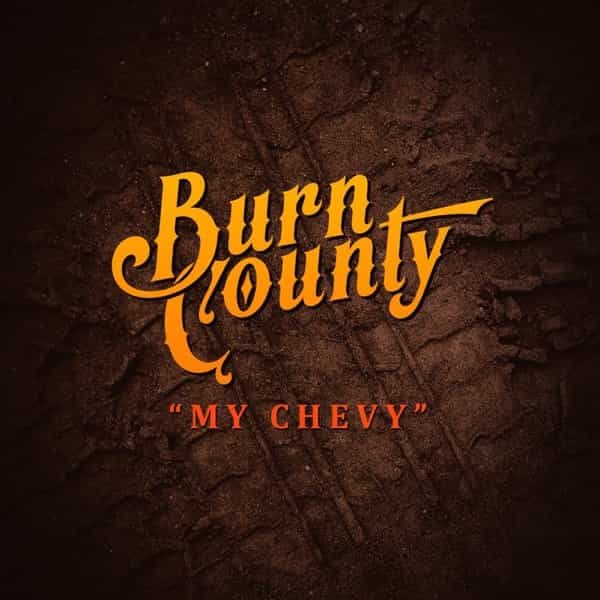
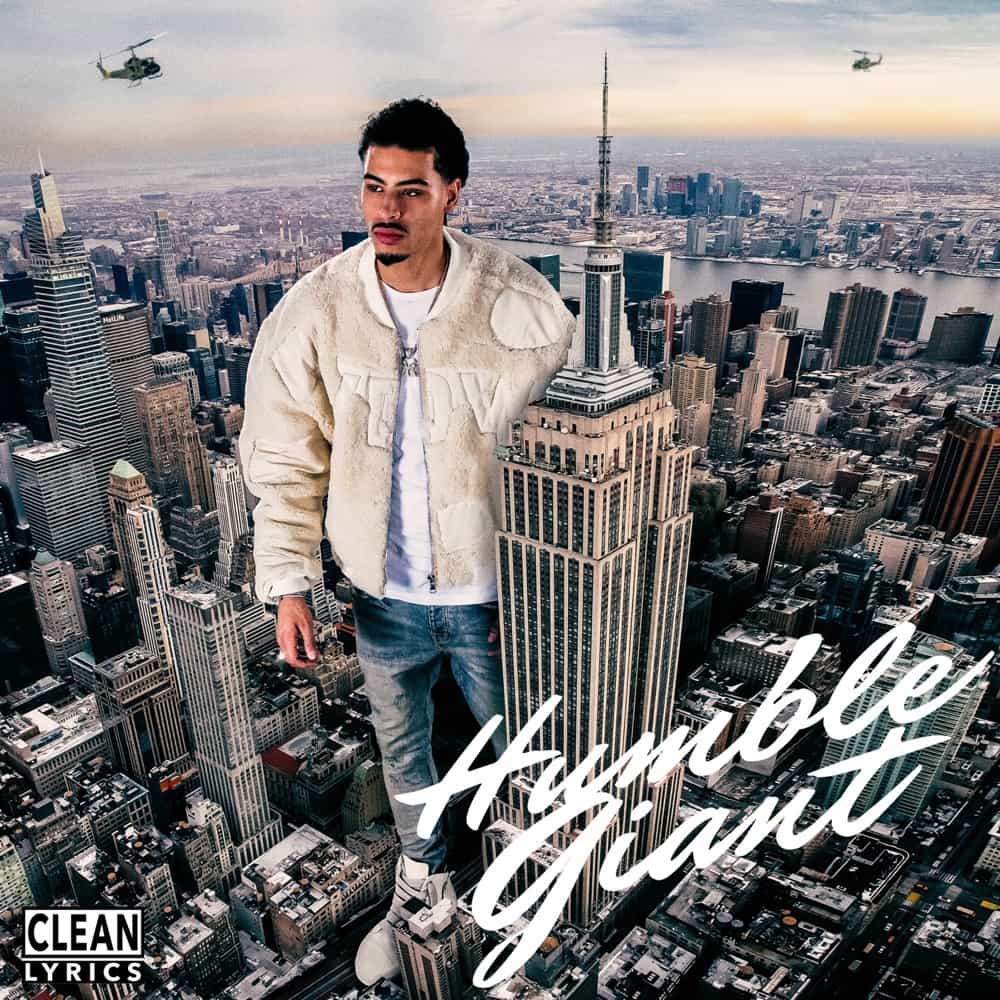
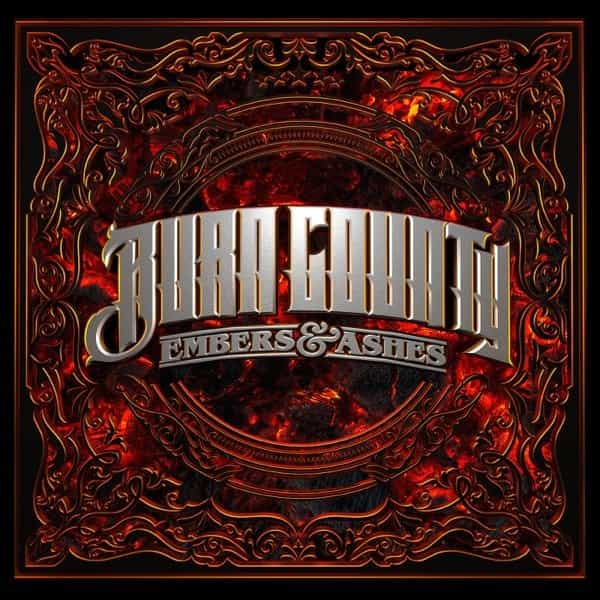
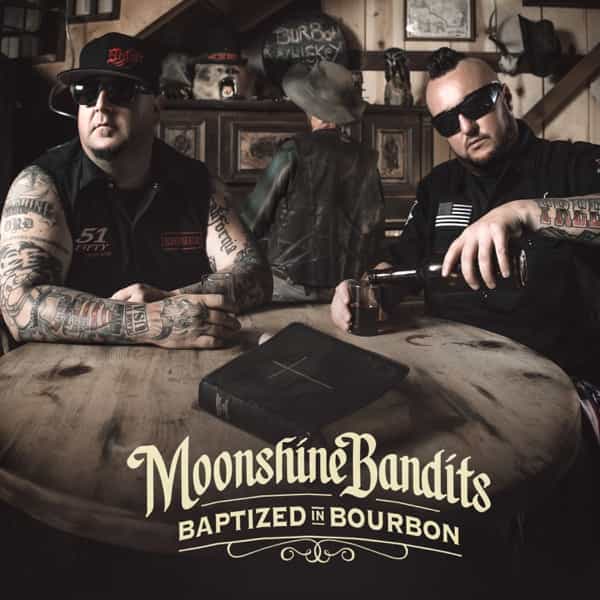
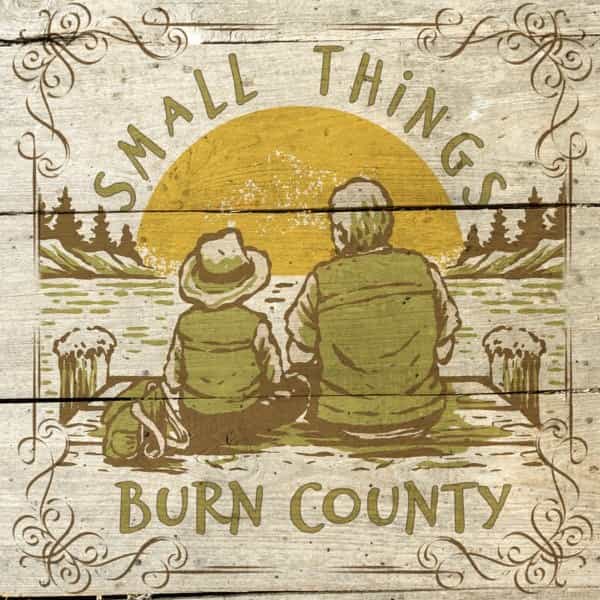
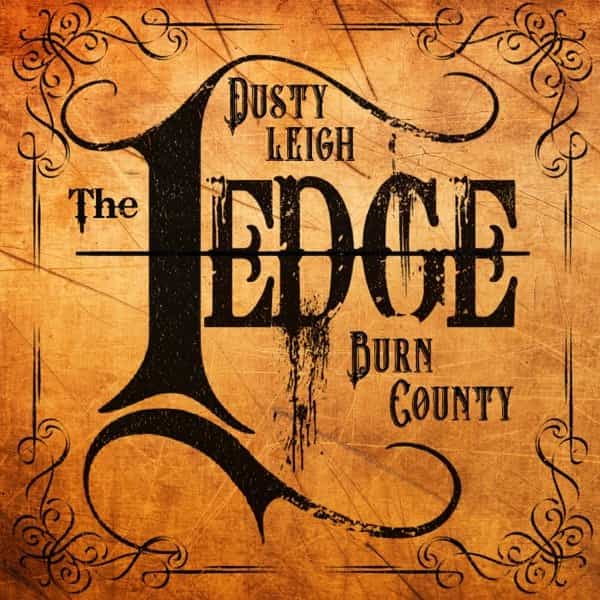
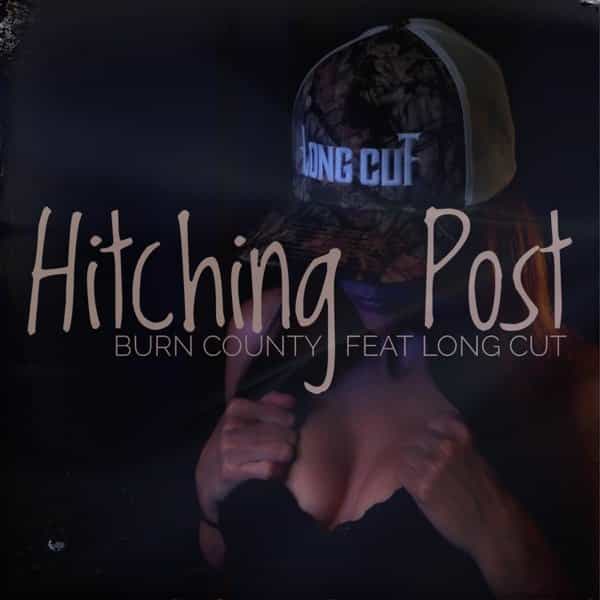
the label three doors down from an RIAA gold record and nine Billboard top tens already runs this exact platform. Burn County is a studio, a music brand and a marketing arm, three properties, one operator, one build.
what the SERP actually offers a label.
searched this term before landing here. every result is a template marketplace or an AI page generator built to assemble one artist's page, plus Bandzoogle's own DIY builder for labels. none of them are built around what a roster actually runs on.
| Template or builder | STUDIORAINE | |
|---|---|---|
| Built around | one artist's page | the whole roster's catalog |
| Adding the next signing | a new page, a new plan | a new property on the same platform |
| Licence per sale | handled by hand, or not at all | written and stamped automatically |
| If an artist leaves | not addressed anywhere in the plan | set in the scope before the build starts |
| Customer data | often the platform's, not yours | the label's CRM, from the first sale |
that gap is not a coincidence. a template company sells the same product to a solo bedroom producer and a label with forty artists, so it has to stop at the lowest common feature: one page, one plan. a label with a roster is not that customer, and the Roster tier exists because that customer needed a different product entirely.
five questions a template can't answer.
a storefront that spans the roster
one catalog, every signed artist inside it, sold through one checkout. adding the next signing is a new property on the same platform, not a new plan or a second website to maintain, and a back catalog nobody has priced properly in years goes online the same way.licensing that writes itself
a beat, a stem pack or a sync licence needs an agreement stamped with the buyer's name every time it sells. that runs automatically per sale, the same engine already moving Jake Angel Beats' catalog off BeatStars and onto his own domain.what happens when an artist exits
a roster changes. what happens to that artist's property, whether it forks off, stays, or closes, is a term the scope sets before anything is built, not a question answered after someone has already left.artists on different deal structures
a 360 deal, a distribution deal and a pure services relationship do not pay out the same way, and a template has no concept of any of it. the platform is built to the label's actual deal terms, not to a generic artist page, so an artist on a services deal and an artist signed fully to the label can run side by side on the same roster platform without either one's checkout, splits or storefront pretending to be the other's.who controls the fan data
the fan who bought a record on a streaming platform or a marketplace becomes that platform's customer, not the label's. every sale here lands in the label's own CRM, and the studio is out of the data path once the platform ships.
already running, not a pitch deck.
most vendors who could build a catalog storefront have never shipped a record, and most people who understand a roster have never shipped production software. Studio Raine sits on both sides at once, with Google, Meta, Microsoft and Scale AI engineering credentials on one side and a working music catalog on the other, which is why a licensing engine or a splits dashboard here is built, not guessed at.
the terms are the same for every engagement, Burn County's included: the number and the ship date get fixed in writing once the scope is signed, payment is one transaction in full before the build starts, and everything the platform runs on transfers into the label's name at launch.
burncounty.com carries the label's full catalog, its session booking and its Stripe checkout, and two more properties, the music brand and the marketing arm, run alongside it for the same operator. that shape, one platform under several properties, is the Roster tier doing exactly what it is built to do.
the full Burn County buildwhat labels ask before they text.
what does a record label website platform cost?
there is no published rate card. every engagement is Artist, Roster or Catalog, and each one is quoted against a written scope rather than a monthly plan, so the number reflects what the roster actually needs instead of a tier picked off a pricing page. the three shapes and the full process from first message to launch are on the STUDIORAINE pricing page.
can one platform run an entire roster, not just one artist?
yes, that is the Roster tier. Burn County runs three properties (the studio, the music brand and the marketing arm) for one operator on one platform: one catalog storefront, one customer list, one dashboard the whole label can open. an artist page that only holds one artist is what a template builder ships, not what a label needs.
what happens to an artist's page if they leave the label?
it is decided in the scope, in writing, before the build starts, not worked out after someone exits. a roster platform has to answer that question on day one the same way a real contract does, and the diagnostic that opens most engagements is where that term gets set alongside everything else.
who owns the customer and fan data on a direct-to-fan platform?
the label does. sales run through Stripe into the label's own merchant account, buyers land in the label's CRM, and the studio is out of the data path once the build ships. that is the opposite of a marketplace or streaming platform, where the fan who bought a record becomes the platform's customer and the label can't email them again.
what does the label own at launch?
everything the platform runs on. the domains are registered in the label's name. checkout runs in the label's own Stripe account, so the money lands with the label, not with a platform. every buyer and every order is in the label's CRM, ready to export or email. the code, the merchant account, the customer list and the analytics transfer into the label's name at launch, with no licence to renew and no monthly platform fee.
how long does a build take?
the timeline comes out of the written scope, the same way the number does, and both are fixed in writing before anything is built. for reference, the last single-property build went from signed scope to live in eight days. a roster or catalog build takes longer because there is more to move, and the scope says by how much.
does a label need its own website if the roster already streams?
streaming platforms own the listener, not the label. a direct-to-fan platform is where a drop, a preorder or a vinyl run actually converts, on a domain the label controls, without a distributor's cut or a marketplace's terms sitting between the label and the sale. the mechanics of selling direct are covered in how a record label sells direct to fans.
is this a website builder like bandzoogle for labels?
no. Bandzoogle, Squarespace, Wix and the template marketplaces that show up in this search are all built around one artist's page, assembled by the label. Studio Raine builds custom software around a roster's catalog and its licensing, with the label owning every domain, the code and the merchant account at launch, not renting a template.
studio raine builds direct-to-fan platforms for record labels, their rosters and their catalogs. clients include the label behind nine top tens and an RIAA gold record.
want this for your roster?
the rest of what the studio builds for music, from licensing engines to royalty dashboards, is on custom software for the music industry. getting the roster found on Google and named in AI answers is SEO for the music industry and AI search optimization.