
























































Skip to content

your royalty statements, read in rather than retyped.

we build royalty and splits dashboards for labels and publishers: the statements your distributors and streaming services send are read in rather than retyped, your deal terms are written down once and applied every period, and each artist or partner sees only what they should. we build the ledger to your terms; we do not administer rights, audit a distributor or sign off the numbers.

built to your deal terms, from the statements you already receive.

what it does.

the statements in, the terms applied, the right view for each side.

statements read in

for every distributor and service

the sales and usage reports the services send (DDEX calls the format DSR) loaded into one place, not retyped.

  • one place for every statement

your deal terms, applied

for every period

splits and terms written down once and applied each period, instead of a spreadsheet rebuilt every quarter.

  • terms applied per period

who sees what

for artists and partners

each artist or partner sees their own numbers and nothing else.

  • per-person views

builds we have shipped.

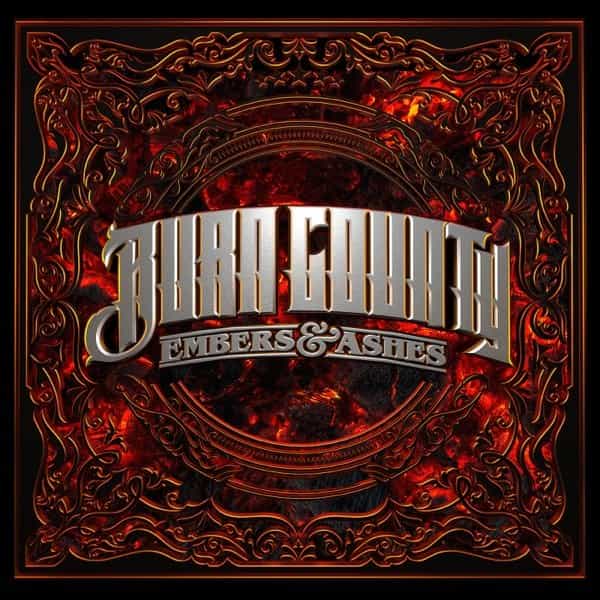
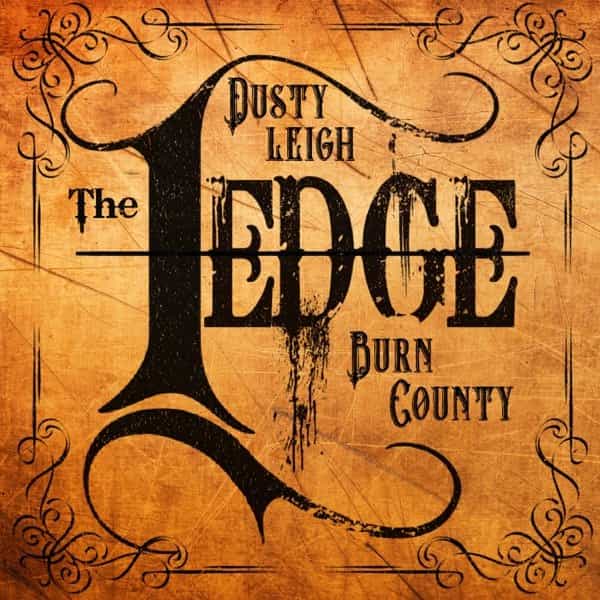
Burn County

a label platform: one operator, three properties, one build.

  • the studio, the music brand and the marketing arm, each on its own property.
  • one storefront and one customer list under all three.
  • the catalog behind it carries nine Billboard top tens and an RIAA gold record, the client's credits.

live:burncounty.comburncountymusicburncountymedia

read the case study

Jake Angel

a beat store and licensing engine, off the marketplace.

  • a 592-beat catalog moved off BeatStars onto his own domain.
  • every sale writes and stamps its own licence agreement.
  • beat previews play on every product page before anyone buys.

live:jakeangelbeats

read the case study

how it runs.

  1. diagnostic

    most engagements start with a paid diagnostic: one week, a fixed fee, credited in full against the build if you go ahead within 90 days. it produces the written scope, and you keep that document either way.
  2. scope

    the scope fixes what gets built, the number and the ship date, in writing, before anything is built. the number is set by what the catalog and the roster actually need, not by a tier picked off a page.
  3. build

    the build follows the scope. the parts most agencies skip are scoped in on purpose: the licence terms written per sale, what happens to a property when an artist leaves the roster, and who sees which royalty numbers.
  4. launch and transfer

    at launch the code, the domains, the merchant account, the customer list and the analytics move into your name. no licence to renew and no monthly fee on the platform itself.
  5. after launch

    your team edits copy, prices, art and releases from a dashboard at no monthly cost. or keep the studio on a retainer for continuous engineering, billed monthly, cancellable any month.

who it is for.

record labels
artist statements without the quarterly spreadsheet.
publishers
writer splits applied the same way every period.
catalog holders
one view of what the catalog earns.

not a fit if

  • royalty administration, distributor audits or signing off the numbers: we build the ledger, we do not administer rights

related.

the music tech glossary
DSR, ERN, ISRC and the rest, from the bodies that issue them.
custom software for the music industry
everything we build for music, with the live software.
case studies
the builds, with the figures each client publishes.
AI search
getting named when people ask ChatGPT for what you do. $2,000, guaranteed.

who does the work.

Studio Raine was founded by Raine, an ai engineer and a musician. ai engineering at Google, Meta, Microsoft and Scale AI since the start of the ai hype, a working catalog and released records on the music side. the studio is in New York City and works for labels, studios, producers, engineers and artists everywhere.

more about the studio

questions.

do you administer royalties?

no. we build the ledger to your terms. we do not administer rights, audit a distributor or sign off the numbers.

what does it cost?

it is quoted in a written scope, set by how many statement sources and deal types there are.

text us where your statements come from.

say which distributors and how many artists.