






























































Google knowledge panels
we get you a Google knowledge panel on your name.
a knowledge panel is the box Google puts beside your name when somebody searches you. your photo, what you do, your releases, your label, your official profiles. we build everything Google needs to put one there, and we keep going until it shows up. $9,000 for one name.
you get the panel, or you get your money back. for artists, producers, engineers, studios and labels.
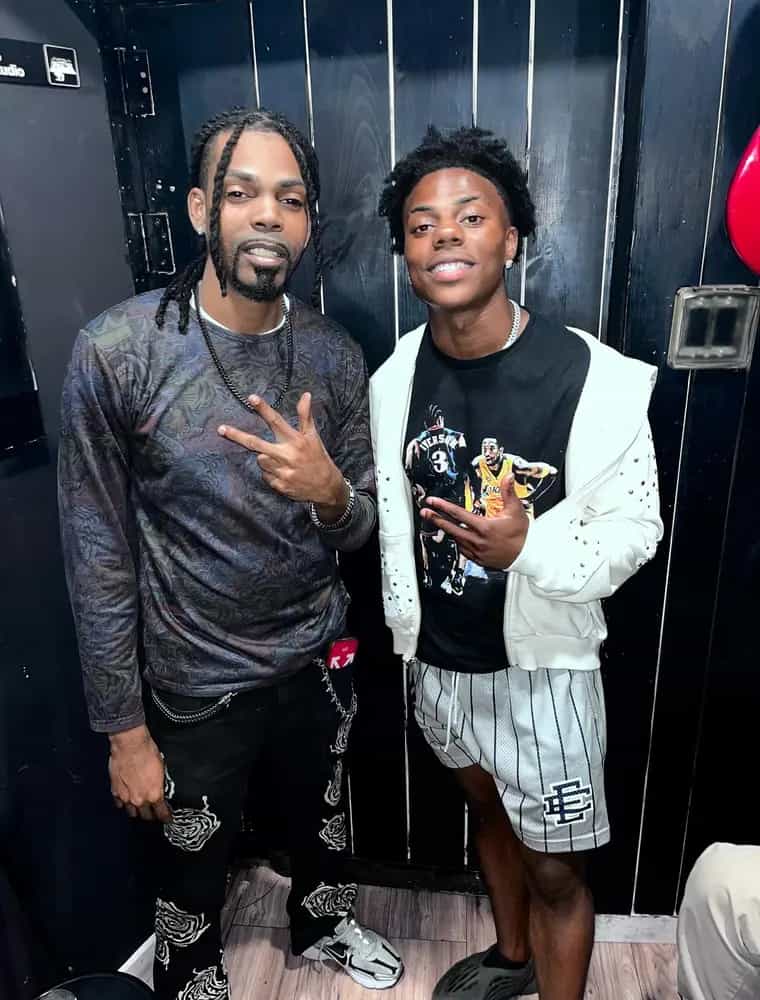
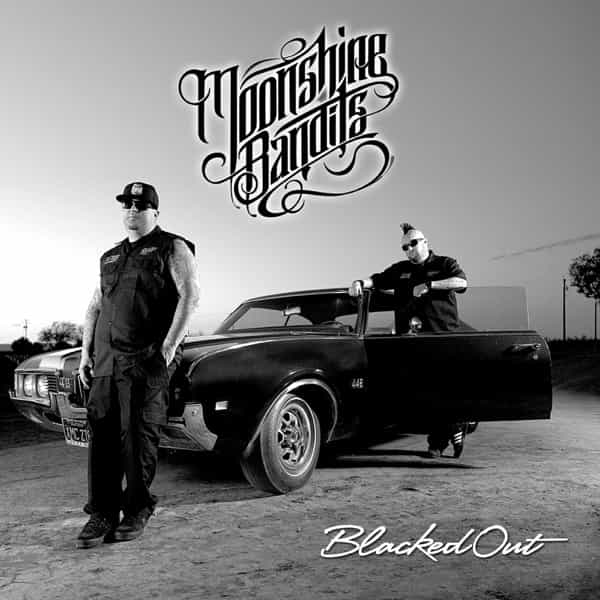
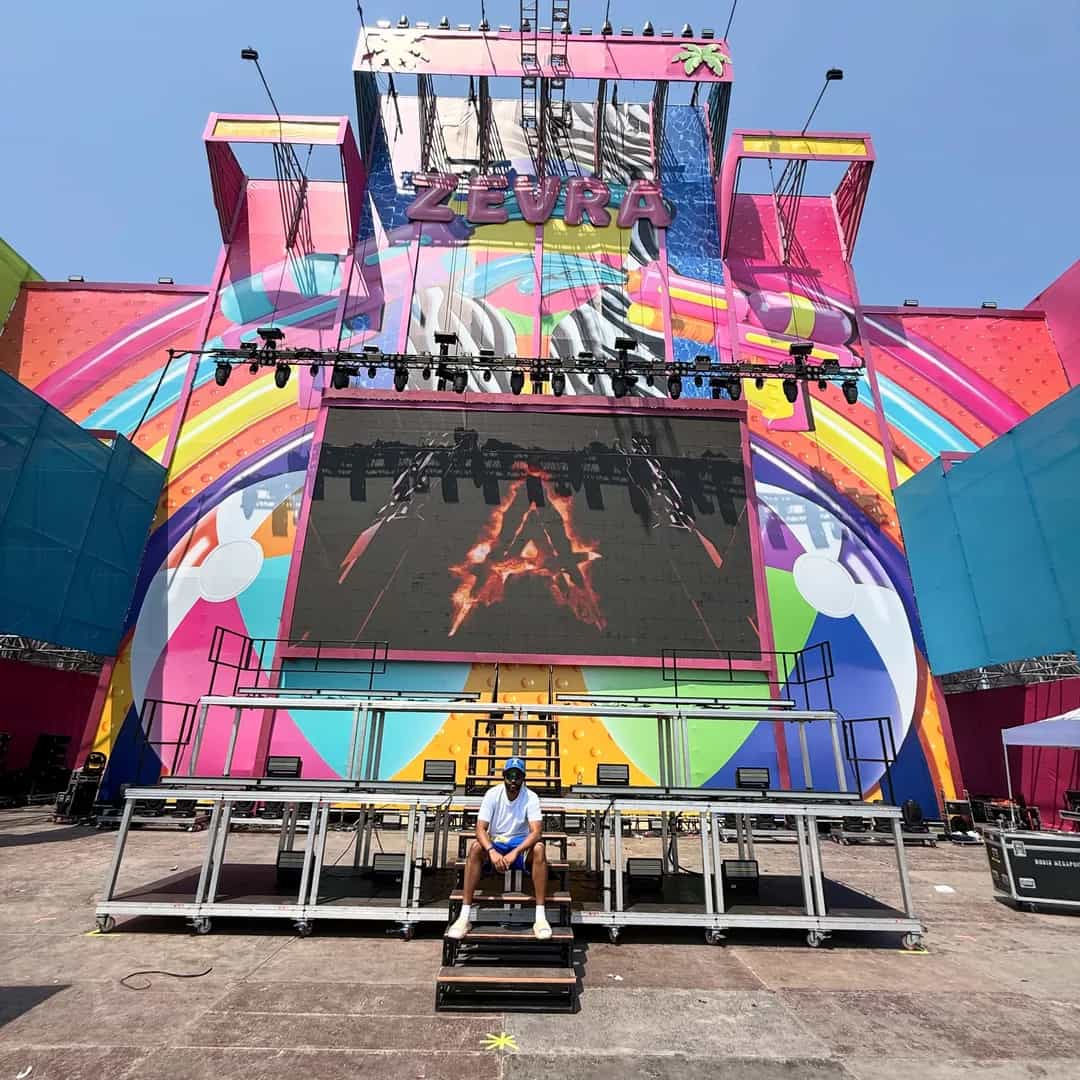
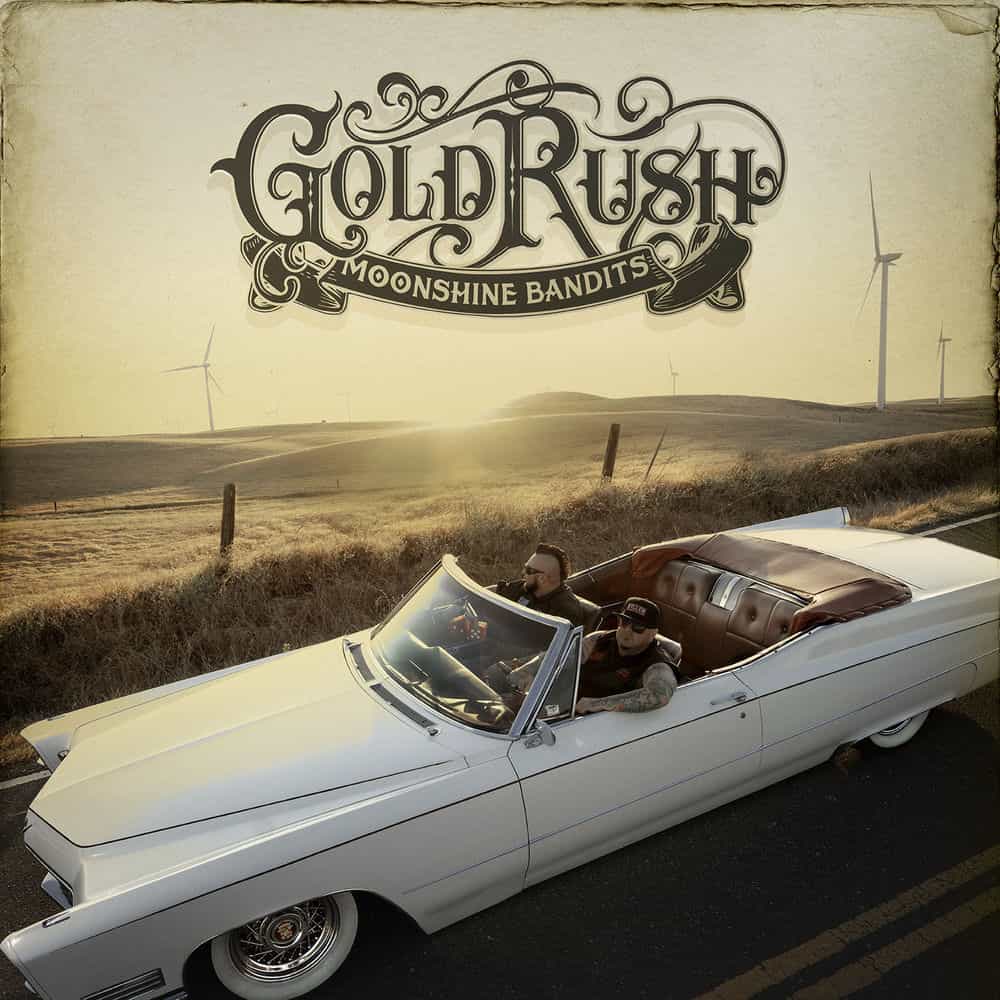
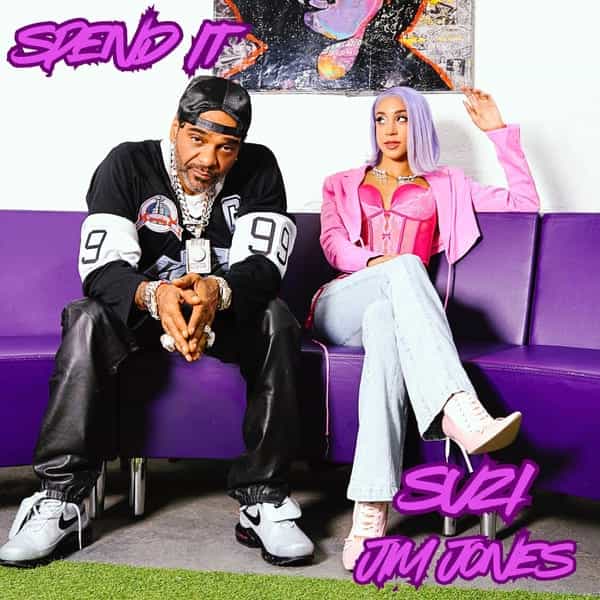
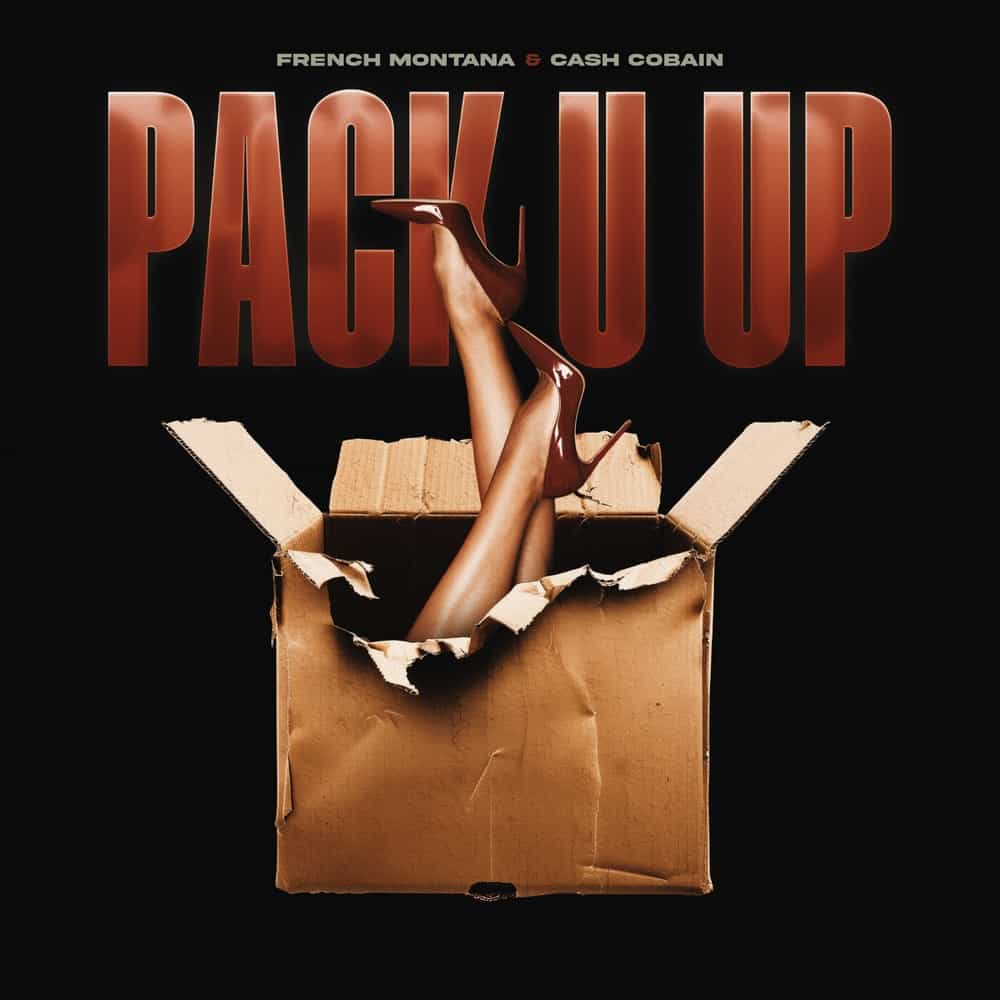
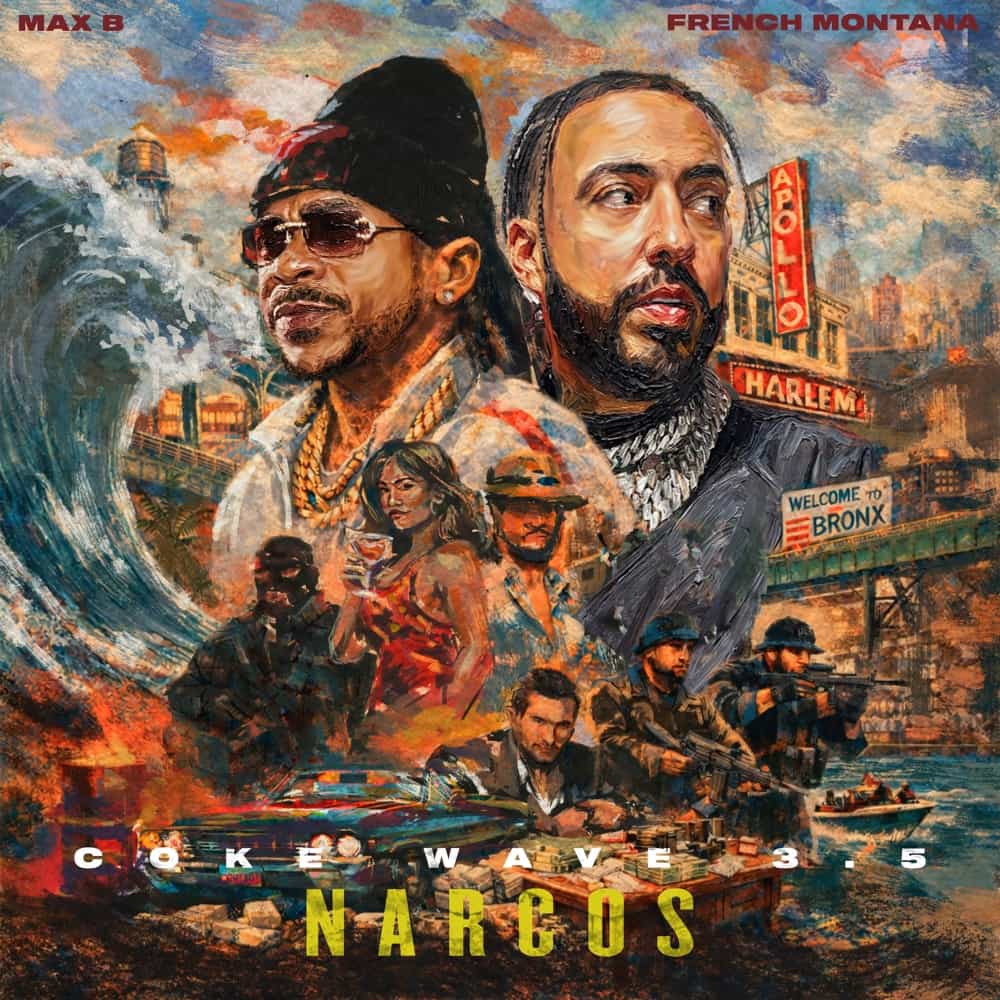
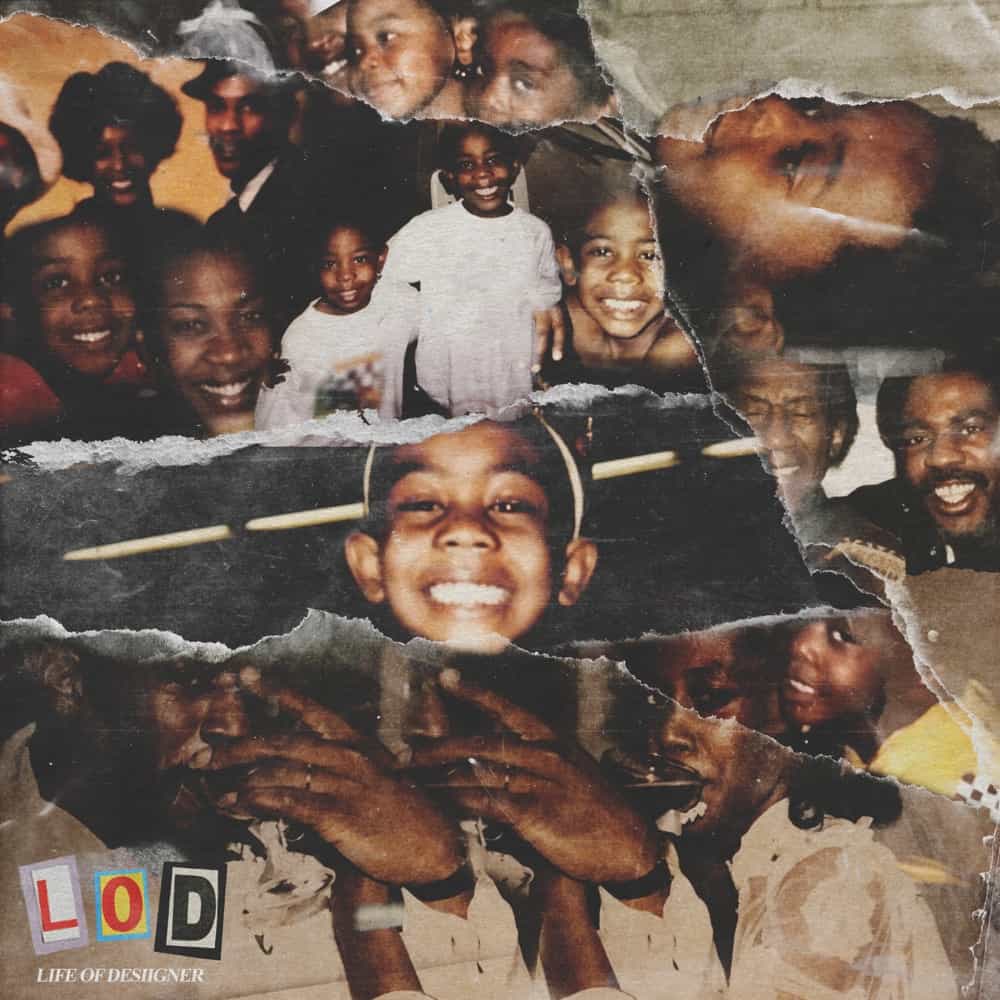
the studio already builds and publishes for
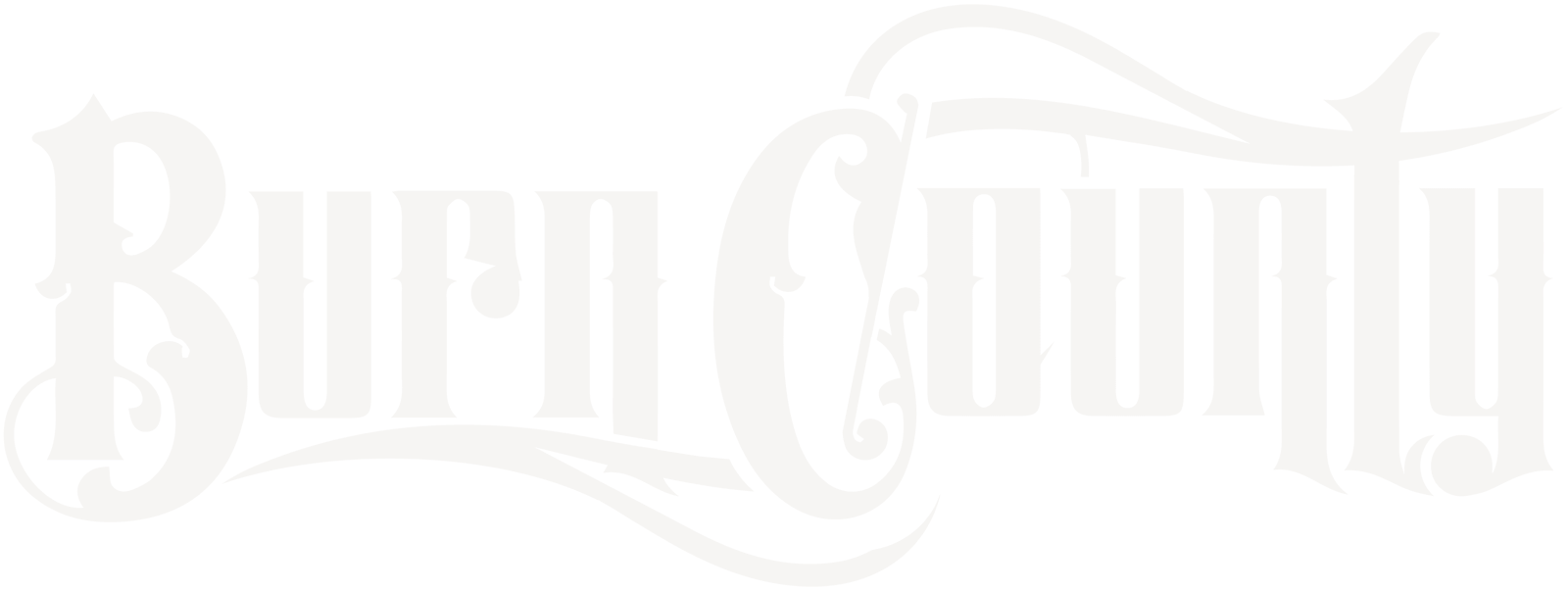










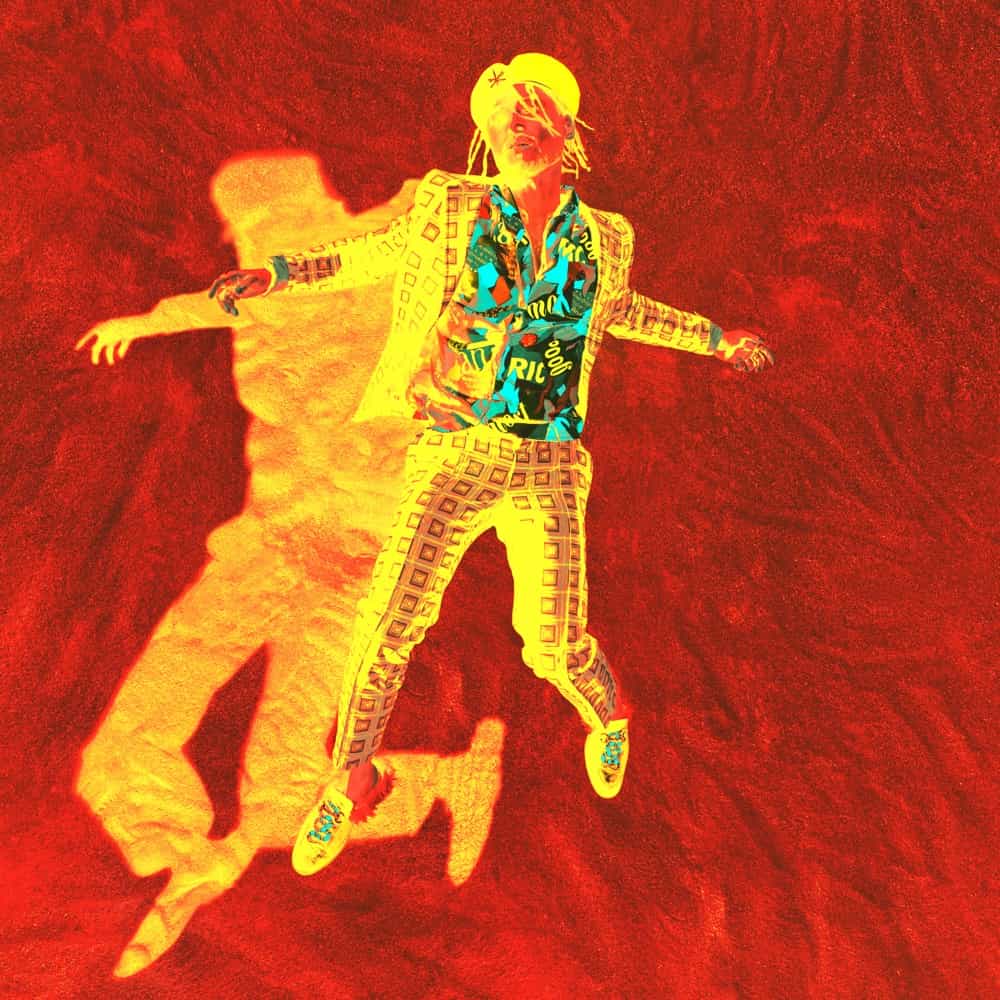
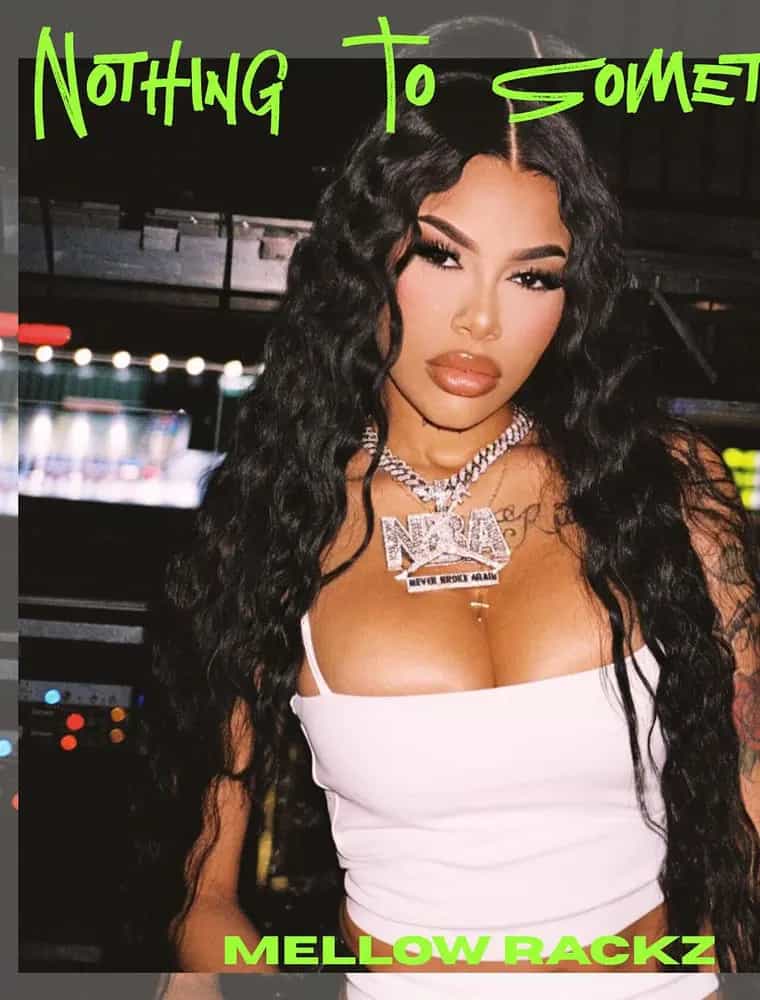
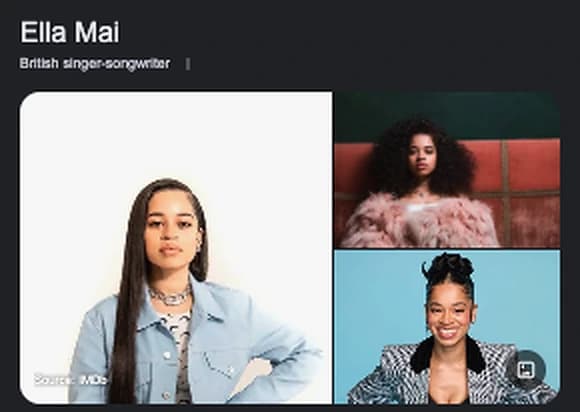
that box beside Ella Mai's name is a knowledge panel.
search an artist Google knows and a box comes up beside the results. the photo, the songs, the label, the profiles. that is Google vouching for you before you have said a word.
that box is not reserved for the name on the cover, and it does not wait on a Wikipedia article. Google builds it from what the web already says about somebody, so it works just as well for the producer, the mix engineer, the studio and the label behind the record.
search most names in music and no box comes up. just a page of links you do not control: an old press release, somebody else with your name, a profile you stopped using.
Google builds panels by itself, once there is enough about somebody on the web for it to be sure who they are. no form, no fee to Google, nobody there to ask. so the job is not persuading Google. the job is making the web say one clear, checkable thing about you, everywhere it says anything at all. that is buildable, and it is what we do.
four steps, and the first one can end the sale.
it is done in order, and a person checks the result every week.
audit
we find out what Google already holds on your name. whether it knows you at all, who else answers to the same name, what the first page of results gives back, how much of the web describes you that you do not own, and what your own site tells a machine. this is the step that decides whether we guarantee the panel and what range you get. sometimes it ends the sale, and we would rather it did that here than later.build
one page on a domain you own becomes the answer to who you are, and everything else on the web gets pointed at it. who you are in a sentence a person can read, a photo you own the rights to, and underneath it the part Google reads: every official profile you have, named and linked. we build the page, or we put it on the site you already run.back it up
a panel gets built from what the whole web says. your own site is one voice in that, and Google wants a chorus. so every profile you own gets the same name, the same line about you, and links pointing both ways. every article, interview and credit that names you gets opened and graded honestly. where you have earned a place in the public records, MusicBrainz and Wikidata, we write the entry with its sources, from a studio account that says out loud who is paying us.claim it and keep it
every week a person runs the check. your name searched signed out, Google's own records, your Search Console, the databases. then the log comes to you in writing. the moment Google offers you the claim, we run it with you, and the corrections go in with evidence: the featured image, the profile links, anything you want gone. after that we keep watching, because namesakes turn up and facts go stale. a panel is a living record, not a trophy.
let Google do the introductions.
here is what changes once the box is there, and what every part of it is doing for you.
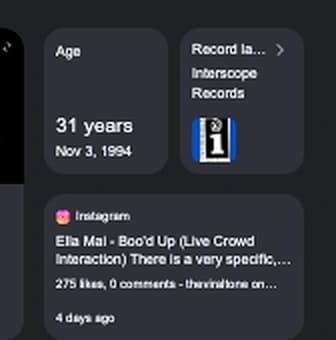
turn a search into instant trust
every real opportunity starts with somebody looking you up. a booker before the offer, a label before the meeting, a music supervisor before the sync, a journalist before the reply. what they find in those few seconds decides whether the conversation keeps going.
- your photo, your credits and your label, presented by Google rather than by you
- the people already vouching for you have something to point at
make a cold approach land warm
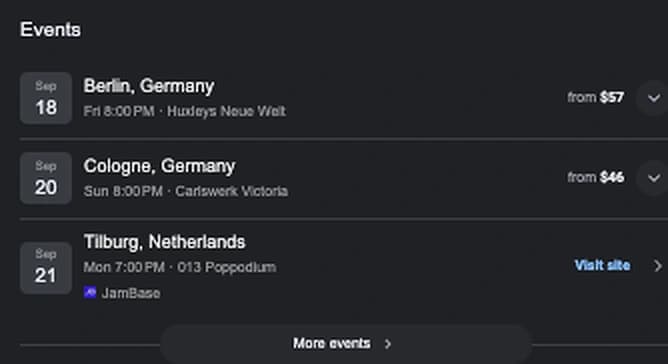
festival slots, press, playlist and sync consideration, publishing meetings. the people deciding are not going to research you. they skim what Google gives back and then they decide. a panel does the arguing for you.
- when an organiser is comparing you to three other names, you are the one with a panel
- your label, your press and your dates sit where a stranger will actually look
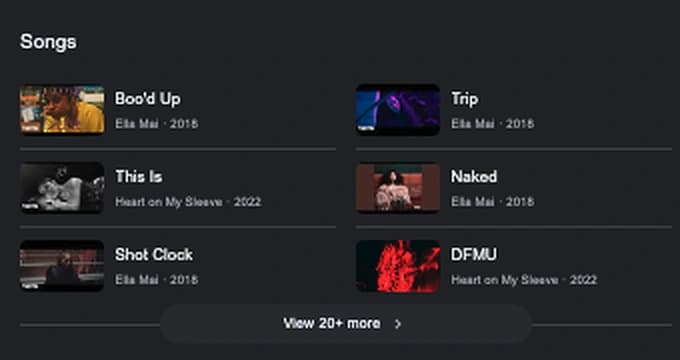
your catalogue reads as yours
the releases, the years, the projects they came from, listed by Google under your name instead of scattered across platforms. if you are a producer or an engineer, your best work sits under other people's artist names. this is what pulls it back under yours.
- the releases show with the year and the project on each one
- credits buried in liner notes and databases get somewhere people actually look
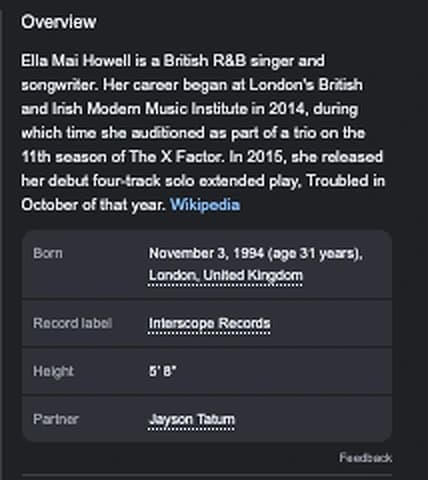
the label and the credits become facts
who signed you, what you make, where you are from. those rows get built from records that agree with each other, which is why they read as fact and not as a bio you wrote about yourself. the same work puts your name inside the boxes Google builds around your label, your studio and the people you record with.
- your label and your genre read as affiliations, not as words in a bio
- the databases that already name you start working for you
everything official, in one place
your site, your streaming profiles, your socials and the press that covered you, grouped under one name by Google, instead of spread down a page of results next to the dead accounts and the people using your name.
- the profiles you actually run, grouped as yours
- namesakes and abandoned pages stop getting mistaken for you
you get the panel, or you get your money back.
- guaranteed
- the panel, or the fee back
- estimated
- the range, in writing, after the audit
- every week
- a check by a person, and the log sent to you
- yours throughout
- every account, and the panel itself
the audit tells us your panel is reachable, and then we guarantee it. we keep working at no further charge until Google shows a knowledge panel about you, and if it never shows, you get the whole fee back. your side of it is three short jobs, and the guarantee waits on you while one of them is outstanding. it never lapses.
Google builds the panel on its own schedule. after the audit you get the range to expect on your name, in writing.
the weekly check is what backs it. the job is not finished on our say-so. it is finished when a person has seen your panel on a live search and written it down. the first one is usually thin. your name, the one line, a profile or two. that counts, and the rows fill in from there.
your part is three things and it does not grow. verify your domain in Search Console under your own account, make the profile edits from the sheet we write for you, and send us the facts and a photo you own. that is the whole list, and everything else is ours.
create the record
most artists build an audience. few build a name that outlasts the run.
a catalogue gets streamed, a following moves platform, a press cycle ends. this is the one piece of ground on the internet with your name on it that nobody can rent out from under you.
the questions that come up.
what is a Google knowledge panel?
the box Google shows beside the results when you search a person, band, label or company it recognises. a photo, one line on who you are, your releases, your label, the profiles you own. Google builds it from its own database of people, places and things, and it builds one by itself once there is enough about you out on the web. there is nothing to buy from Google and nobody there to ask.
how long does it take?
it arrives in stages, and after the audit you get the range to expect on your name, in writing. the first panel is usually a thin one. your name, the one line, a profile or two. the rows fill in from there as the same facts turn up in more places Google trusts. a shared name or thin coverage stretches the range, which is exactly what the audit is there to find. the panel itself is guaranteed.
what exactly is guaranteed?
the panel, or the money. the audit tells us your panel is reachable, and then we guarantee it. we keep working at no further charge until Google shows a knowledge panel about you, and if it never shows, you get the whole fee back. your side of it is three short jobs, and the guarantee waits on you while one of them is outstanding. it never lapses. if the audit says your name is not there yet, you hear it from us, along with what would change that. we make that promise because we control the work that gets you there.
what do you actually do?
we make Google certain that you are one person, and certain who that person is. one page on a domain you own, built so Google can read it. every official profile of yours lined up with it. every article, interview and credit that names you, graded and wired in. a place in the public records, where you have earned it. a person checking the whole thing every week and sending you the log. then the claim and the corrections, run with you, once Google offers them.
my name is shared, or somebody better known has it. is a panel still possible?
usually yes, and the audit answers it for your name instead of in general. the work is picking the form of your name that can be told apart, then making every site, profile, byline and database entry use exactly that. tell us about the namesake at the start so the audit can look at them too. the bare name may still return the better known act. the panel we are building is yours.
how much does it cost?
$9,000 for one name, set out in full at the bottom of this page. it does not move with how long the panel takes. a second name, a contested name, earned press, a Wikipedia article and anything that needs a site built are quoted on their own, and you see those numbers before you agree to anything.
there is already a panel for my name and it is wrong, or it belongs to somebody else.
that is a head start. if it is yours, we start at the claim and then file the corrections with evidence. if it belongs to a namesake, the job is telling the two of you apart, and the audit shows you how far apart you already are in Google's eyes. in a contest like that, the name with the clearer story, repeated in more places that agree, is the one that takes it.
what is Google's call, and what is ours?
worth knowing up front, because it shapes what to expect. Google keeps a few things for itself. it writes the one line under your name, picks the description, sets the order of your profiles and builds the row of related names. a featured image it will swap where there is already one to swap. not every panel can be claimed the moment it appears, and a panel can come and go on Google's side, which is why the check keeps running and why every correction goes in with evidence. everything else moves when the facts underneath it move, and that is our half of the job.
what will it show about me?
the rows come off what the web already says, not off a form you fill in. your name or the name you release under, what you do, your label, your releases, the profiles you own. your home address, your phone number and your personal email are never published by us and are not what a panel is built from. a date or place of birth is yours to decide at intake, and if Google shows something you want gone, we file the removal with evidence through its own route for verified subjects.
how is this different from what my publicist or my SEO does?
a publicist gets you written about, and that coverage is fuel for this. an SEO moves pages up for the searches people already type. this sits underneath both of them: teaching Google that one name means one person, with facts that agree everywhere they appear. keep the publicist. each one makes the other work harder.
is this the same as a Wikipedia page?
two different things, and a panel does not need the article. plenty of panels exist without one. where an article does exist Google often takes the description from it, which is why Wikipedia publishing is its own service here, with its own standard and its own page.
do you ever log in as me?
every edit on a profile you own is made by you, from a sheet we write. we hold no password of yours and we open no account in your name. the studio's own accounts are used for the public records only, MusicBrainz and Wikidata, where the entry itself names who is paying us.
who owns it all at the end?
you do, and from the start rather than at the end. the domain, the page, the Search Console property and the whole research file are in your name the whole way through, and the panel is yours from the moment you claim it. our access is a manager role on the panel and a seat on your Search Console so the weekly check can run. pull both whenever you like.
the encyclopedia side of the same work has its own page: Wikipedia publishing.
what it costs
$9,000. the panel, or your money back.
one number, and it does not move however long the panel takes, because we keep working either way. the audit comes first, and it is what tells us whether to take the job at all.
what the $9,000 guarantees
- the audit. what Google holds on your name today, who else answers to it, how much of the web describes you that you do not own, and whether the panel is reachable at all
- your page. one page on a domain you own, written for people, built so Google can read it, and told apart from everyone who shares your name
- your profiles, lined up. every official account you own carrying one name, one description and one set of links, from a copy sheet we write for you to paste in
- your sources, read one by one. every article, interview, credit and release opened and graded honestly, and the ones that count wired in
- the public records where you have earned a place. MusicBrainz, and Wikidata where the sources back it, written from a studio account that says who is paying us
- the weekly check, run by a person and not a script. your name searched signed out, Google's records, your Search Console, the databases, and the log sent to you in writing
- the claim, run with you the moment Google offers it, then every correction filed with evidence through Google's own route for verified subjects
- the work carrying on at no further charge until a knowledge panel about you exists, for as long as that takes
- and if it never shows, the whole fee back. you get the panel or you get your money
what is a separate fee
- a second name. your label or your studio as its own panel is its own job, quoted lower than the first because half the groundwork is already done
- a contested name. if the audit finds a better known namesake, the work of telling you two apart is quoted on top, before anything starts, or we tell you straight not to bother
- a Wikipedia article. different standard, different service, and it has its own page here
- earned press. getting you written about is outreach and it is quoted on its own. anything you pay for is labelled paid and never presented as coverage
- a website. no domain, or nowhere to put your page, means there is a build to do, and a build gets quoted as one
- maintenance after the job closes. namesakes turn up and facts go stale. the retainer is optional and it sits outside this
worth knowing, because it shapes what to expect. Google writes the one line under your name, picks the description, sets the order of your profiles and builds the row of related names itself. our half is feeding it the right facts and correcting what it gets wrong, with evidence, through its own route for verified subjects.
one name. one price. we start with the audit and we do not stop until the panel is there.