






















what if the artist has nothing to show yet?
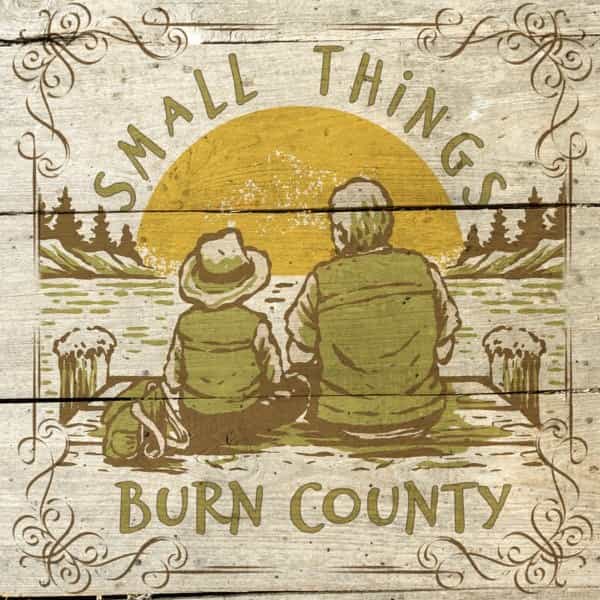
a design concept, not a client property. Naylor Stone is signed to Burn County Music, a Studio Raine client, and the build was made to answer a question that label asked. it is not the artist's live official site.

one artist, 58 monthly listeners.
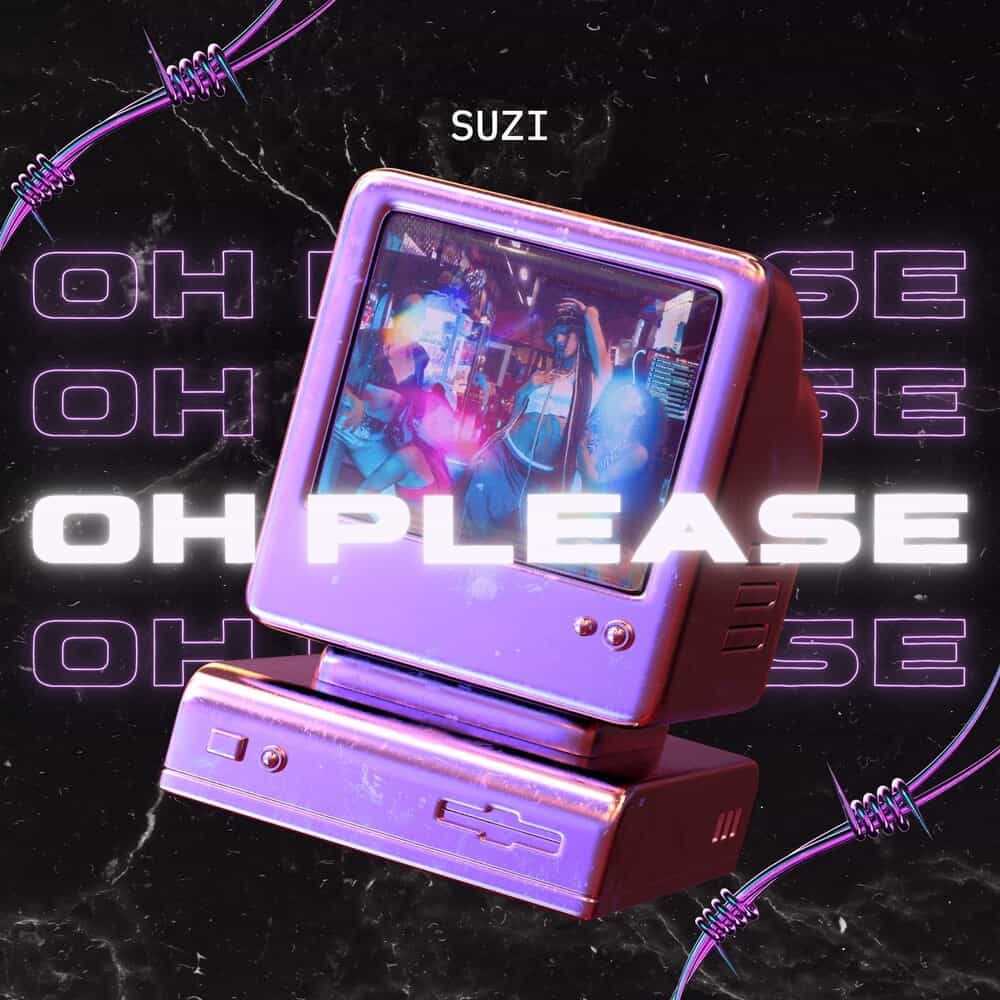
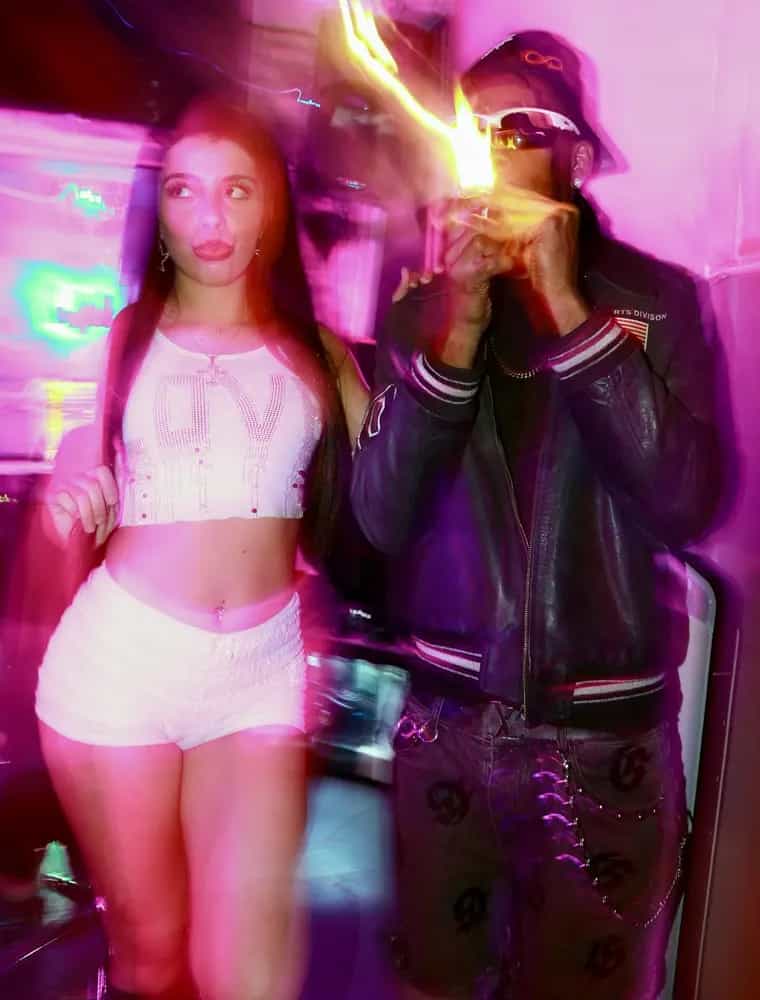
this is what a developing artist looks like when the page stops apologising for the numbers. every photograph, every song title, the artwork and the streaming figures are the artist's own, pulled from what you already had. nothing was commissioned and nothing was invented. the site does one job, which is to turn a listener into a name on a list you own.
no chart position, no press, no tour history, and a deal that starts anyway. this is the page about the part of a roster that has to look established before it is. the build below is the whole argument.
- plays on the catalog
- 70,142
- monthly listeners now
- 58
- fans you can contact
- 0
- capture on the old page
- none
six signs you are about to need this.
you are signing someone who has nothing to show
the accolades arrive after the deal, not before it. the site is the first thing the artist can point at, and it has to carry the weight the credits will carry later.
the pitch needs a picture
an artist choosing between labels is choosing between promises. one of those promises can be opened in a browser while you are still in the room.
vsthe ad spend leaks
money pointed at a streaming link or a link in bio buys a play and leaves nothing behind. the same money pointed at a page you own leaves a list behind on the way past.
nothing kepta roster with no system looks like a roster with no label
ten artists on ten different site builders is ten different standards, none of them yours, and none of them yours to move when the artist moves.
the artist cannot see the work
most of what you do is invisible to the person it is being done for. the site is the first place that work becomes something the artist can look at.
the infrastructure outlives the release
a campaign ends. the list, the store and the catalog do not. what gets built for the first single is still working on the third album.
ends
what gets built for a roster.
four stages. most labels start with the first and add the rest one release at a time.
sign
win the artist.
everything that happens before there is anything to market.
artist.com
list first. store when there is one
The artist site
one page built to look established on day one, carrying whatever the artist actually has. a single song is framed as a release rather than a thin catalog, the story does the work a chart position would do, and your own record is lent to the artist in a credit block.
on servicesconcept- yourlabel.comlabelartist-one.comliveartist-two.comliveartist-three.combuild
The roster hub
your own site, with every artist on it. the thing a prospective signing looks at to decide whether you are a real label or one person with a logo.
on serviceslive - yourlabel.com/d/artistunlistedwhat you buildwhat they keep
a link, not a pdf
The deal room
a private, unlisted page per artist you are chasing: what you will build, what the campaign looks like, what they keep. sent as a link instead of a pdf, and it cannot be forwarded into a competitor's inbox by accident.
built to scope
release
put the record out.
the surfaces every single needs, spun up in a day rather than a fortnight.
release day
preorderdropday twocheckout holds at 2amRelease and pre-save pages
one per single, live before the song is. the pre-save captures the fan weeks ahead of the date, so release day starts with an audience instead of hunting for one.
on servicesartist.com
list first. store when there is one
Smart links that capture
the link in bio, rebuilt on the artist's own domain. same job as the free one, except the visitor is counted, tagged and kept instead of handed to whichever platform they clicked.
on servicesartist.com/epk
biophotographycreditsstreamingThe press kit
a live epk at a url, not a folder in a drive: bio, photography, credits, streaming, contacts. bookers and supervisors open a link. they do not open a zip.
built to scope
own
keep the audience.
the only part of a campaign that is still an asset the day after it ends.
- yourlabel.comlabelartist-one.comliveartist-two.comliveartist-three.combuild
Fan capture into your own crm
every form on every artist property writing into the system you already run, tagged to that artist, so a release campaign builds one list per artist and one roster-wide list at the same time.
on services - freemembervinyl clubbills monthly, in your account
Fan clubs and memberships
the paid tier for the fans who would pay. recurring revenue that belongs to you and the artist rather than to a platform taking a cut of it.
on services - yourlabel.comlabelartist-one.comliveartist-two.comliveartist-three.combuild
The text list
the same capture, collecting a number as well as an address. an email about a release gets opened by a fraction of a list. a text about it gets read in a minute, which is the difference between a first day and a first week.
on services
earn
make it pay.
the revenue an artist can have before the streaming income arrives.
- yourlabel.comlabelartist-one.comliveartist-two.comliveartist-three.combuild
Merch and direct to fan
a store on the artist's domain with the merchant account in your name. the margin that gets eaten by a marketplace stays in the deal.
on services - mp3 lease$29trackout$99exclusive$1,200
your tiers. your buyer
Beat and stem stores
for the producers on the roster. a catalog, licence tiers, and a contract generated and stamped on every sale, off the marketplace entirely.
on serviceslive - licence.pdfstamped
generated per sale, zipped with the files
Sync and licensing catalogs
the catalog laid out for the people who license music: searchable, filterable by mood and tempo, cleared and ready to send. sync is the fastest money a developing artist can earn, and it is lost to a badly presented catalog.
on services
signing them is the easy half.
most of what you do after the deal is invisible to the person it is being done for, and an artist who cannot see the work will eventually assume there is none. that is how you lose people who were never actually unhappy with the results. these four are built for the artist to look at, not the public.
email in this order, not all at once
The artist dashboard
a login of their own showing what the campaign actually did: how the list grew, where the fans came from, what sold, what you spent it on. you stop writing update emails and the artist stops asking for them.
each side sees only its own row
Royalty and splits in the open
the most common argument between you and an artist is money that only one side can see. a statement the artist can open on their own removes the argument before it starts.
the days you open
Booking calendars
evaluations, writing sessions, studio days. the artist books time on the days you open instead of chasing a reply, and nothing lands on a day nobody agreed to.
sign monday
live by friday
Roster onboarding
sign on monday, live by friday. the gap between the handshake and the first thing the artist can show their friends is exactly where a new signing quietly loses faith.
the encyclopedia layer
the one page a label cannot buy for an artist.
a developing artist can be given a site, a store, a release page and a dashboard on the day the deal is signed. the encyclopedia entry is the one asset on the whole platform that has to be earned out of sources, and it is the one search engines and ai assistants read before deciding whether the artist is real. five of them are below, running in full.
the audit tells us the case is there, and then we guarantee the page. we keep researching, writing, filing and answering reviewers at no further charge until the article is accepted, and if it never is, you get the whole fee back. a person writes every word we send to Wikipedia: the article, and every reply to a reviewer. your side of it is the documents only you hold, and the guarantee waits on you while any of them is outstanding. it never lapses.
Rick Scott

rick scottrickscottwiki.studioraine.art
Ty Weathers
record producer, songwriter, audio engineer and label founder.
52 references. about 2,450 words of prose
he asked the question that started this service, which was whether we write and publish Wikipedia pages. sixty two files came back in a folder, and they carried the article: a local newspaper piece from June 2001 that no web search will ever surface, and a performing rights catalog that names him as the writer where a certification names only the artist and the label. every online summary gave one of his records a Billboard 200 peak of 161. the printed issue says 158, so the article says 158.


ty weatherstywiki.studioraine.art
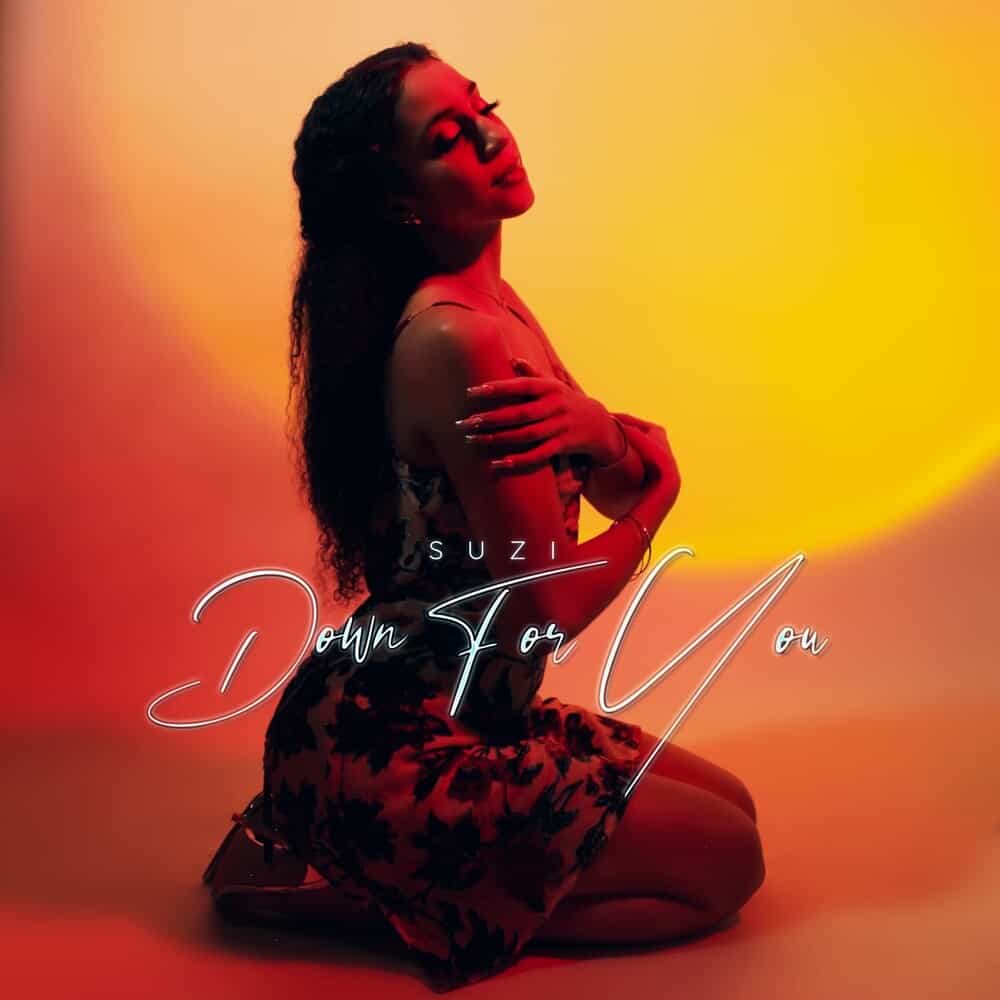
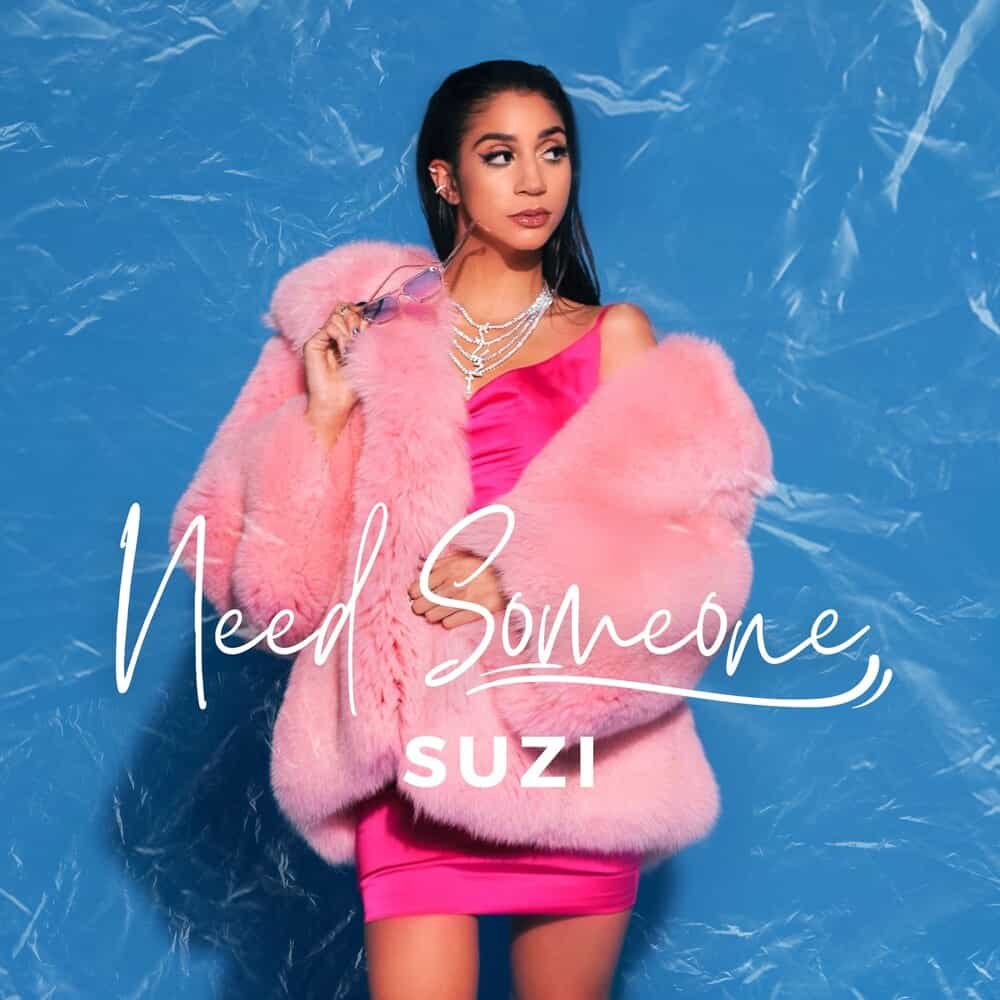
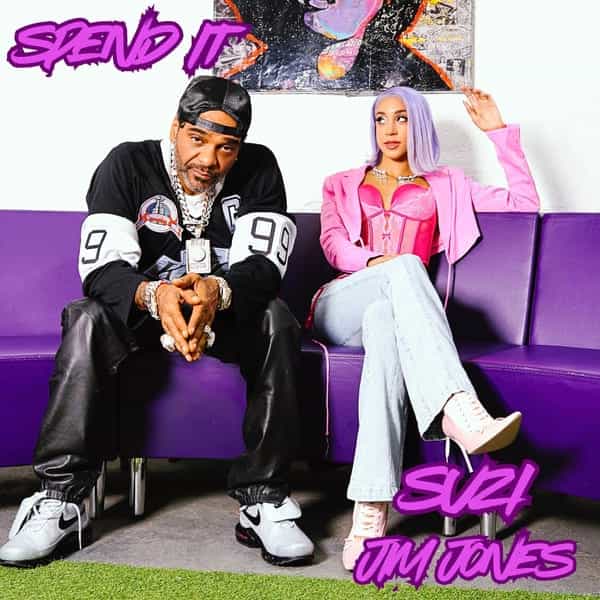
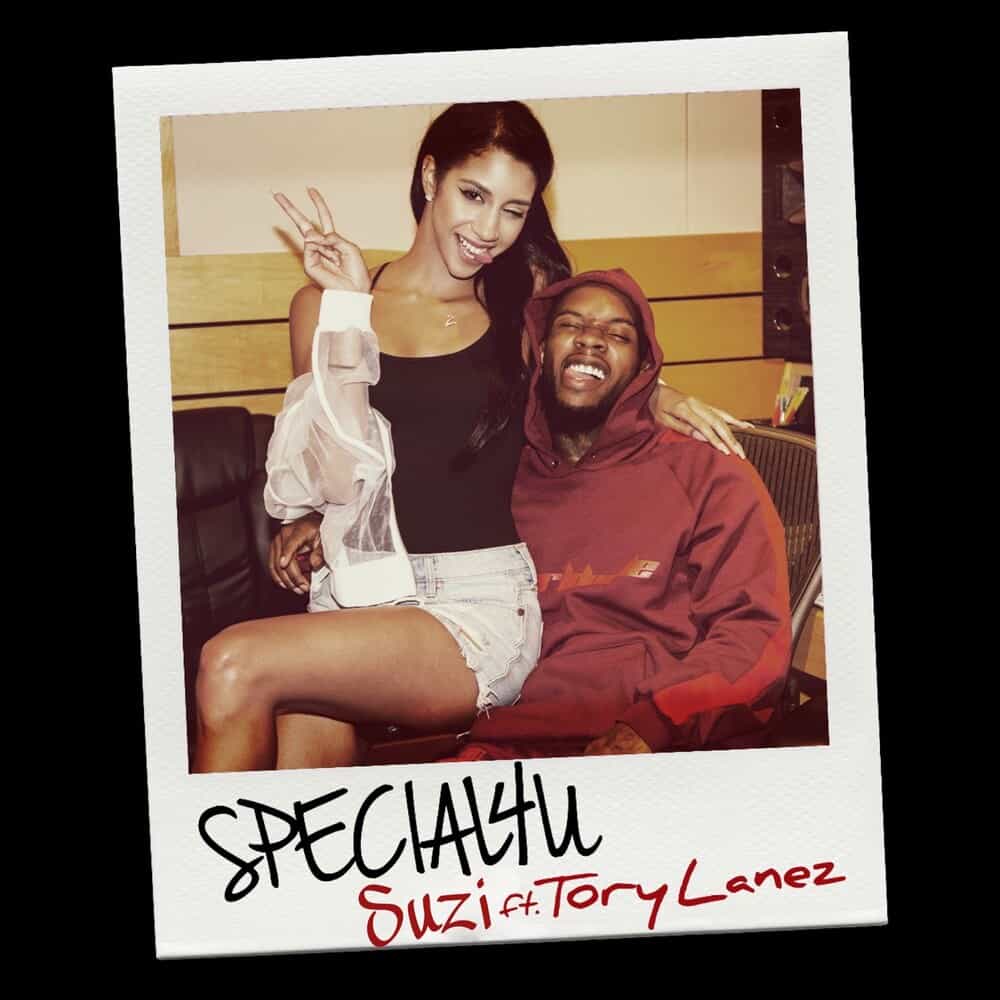
Suzi
singer, songwriter, vocal producer and audio engineer.
30 references. about 2,350 words of prose
the exhaustive second pass found a national chart entry that appears in none of her own materials and in none of her press, by reading the raw source of every collaborator and release page instead of the rendered version, then taking the lead to the Official Charts Company and proving the identification. one previously unknown chart entry, thirty references, eighteen of them independent of her. that is a notability case that did not exist the day before.
suzisuziwiki.studioraine.art
Knice
recording and mixing engineer, senior engineer at Platinum Sound.
21 references. about 1,850 words of prose
search engines showed one credit. the sweep found 308, of which 96 corroborate on two or more independent platforms, because an engineer's name fragments across every database that carries it and nothing reassembles it for you. his own Instagram held the only statement anywhere of his current job title. the article carries a section on the name fragmentation itself, because any reader who goes to check his credits is about to hit the same wall.

kniceknicewiki.studioraine.art
Brad Cox
record producer, mixing and mastering engineer, songwriter and vocalist.
90 references. about 2,700 words of prose
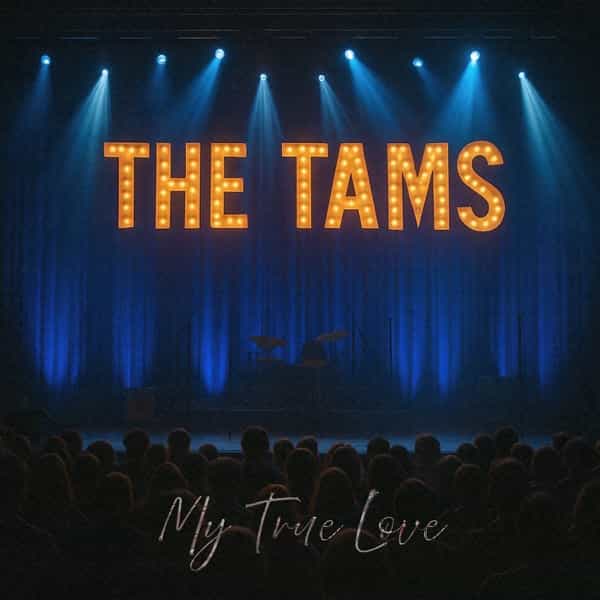
his own name was the first problem. Wikipedia already gives Brad Cox to the computer scientist who created Objective-C, gives Brad Cox (musician) to the Australian country singer, and carries a disambiguation page for everyone else, so the title was settled against the live namespace before a word was written. the award was the second. the Tams single he engineered won National Dance Song at the 2025 Carolina Beach Music Awards, and that award belongs to the recording. the two he was nominated for himself, engineer and producer, are the two the article puts under his name.

brad coxbradcoxwiki.studioraine.art
the roster moves. the infrastructure does not.
whichever of these an engagement covers, the terms hold. the code is assigned to you, the domains and the merchant account are in your name, the fan list is yours, and none of it carries a monthly licence to this studio. an artist leaving takes their masters. they do not take the machine that was built around them.